
Last updated November 15, 2026
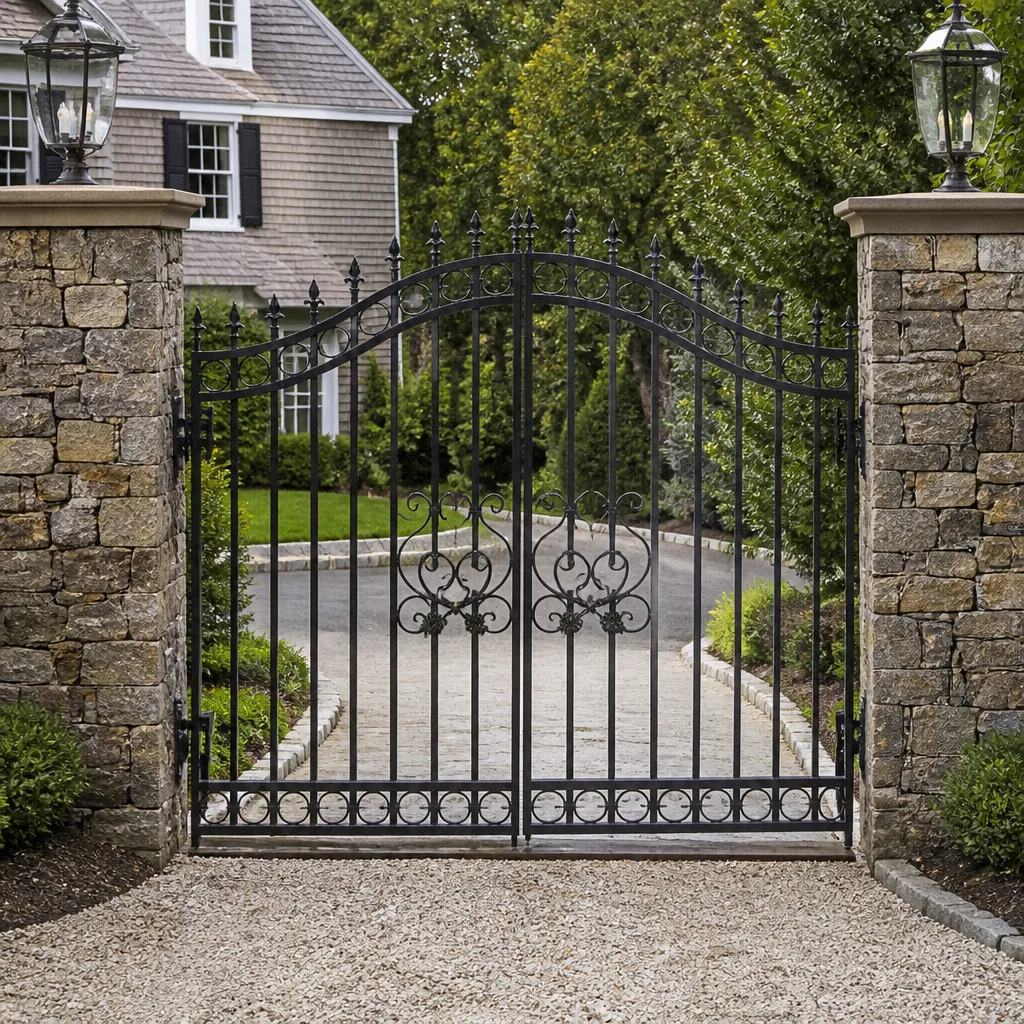 Wrought iron
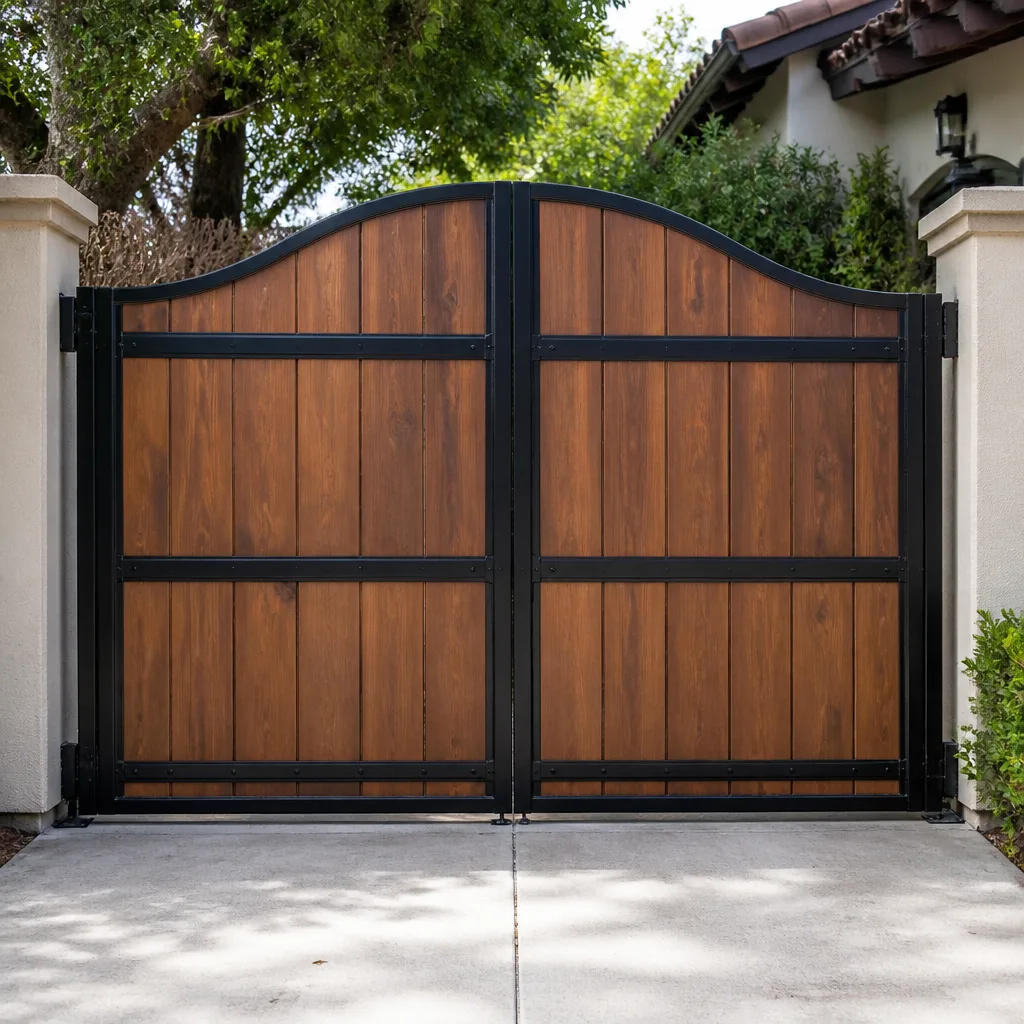 Wood & steel frame
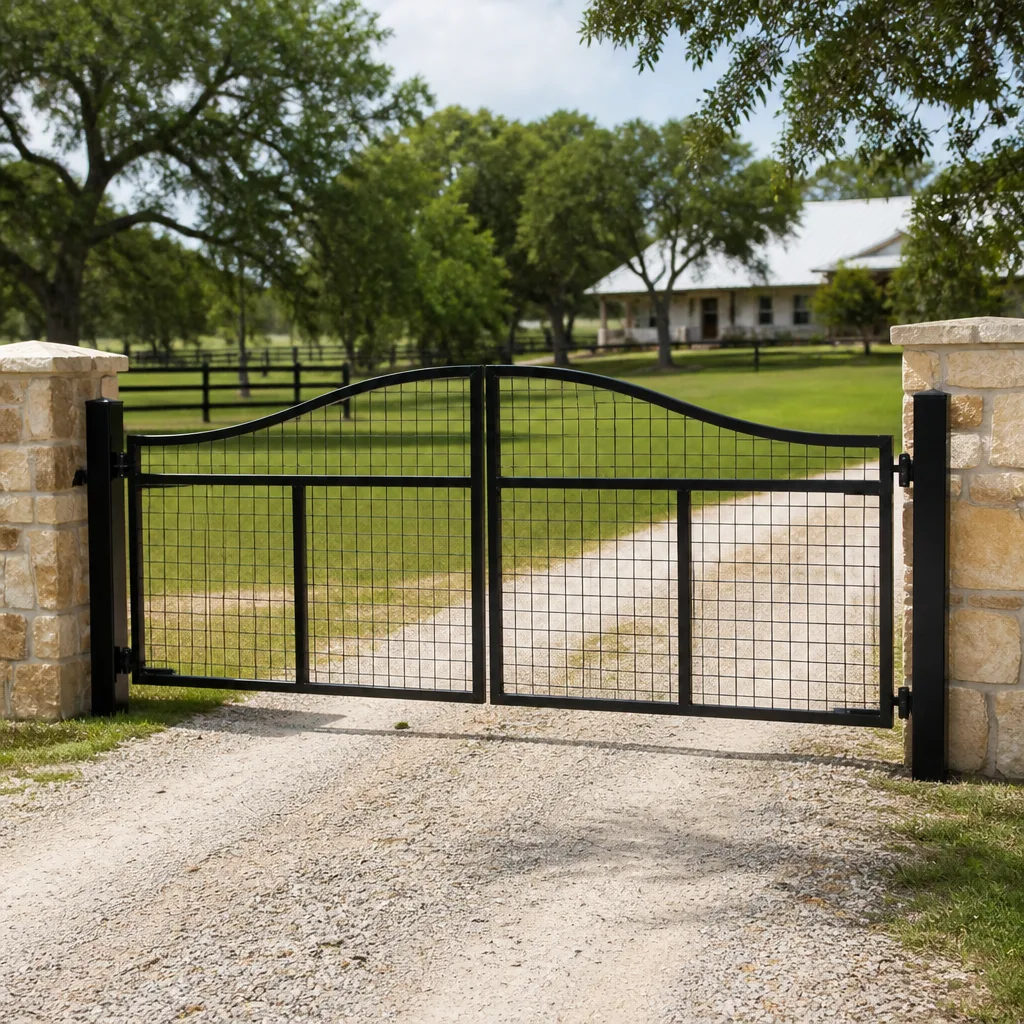 Farm & ranch
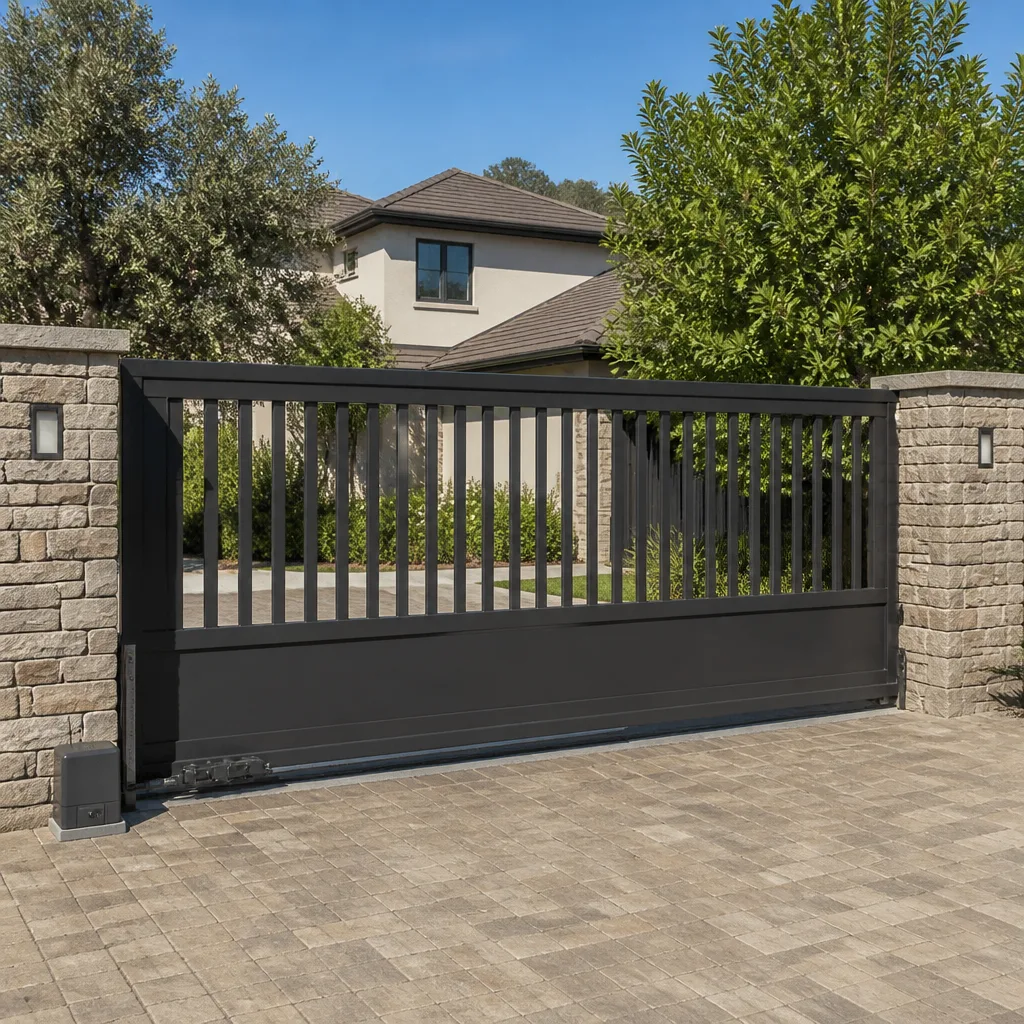 Sliding driveway gates
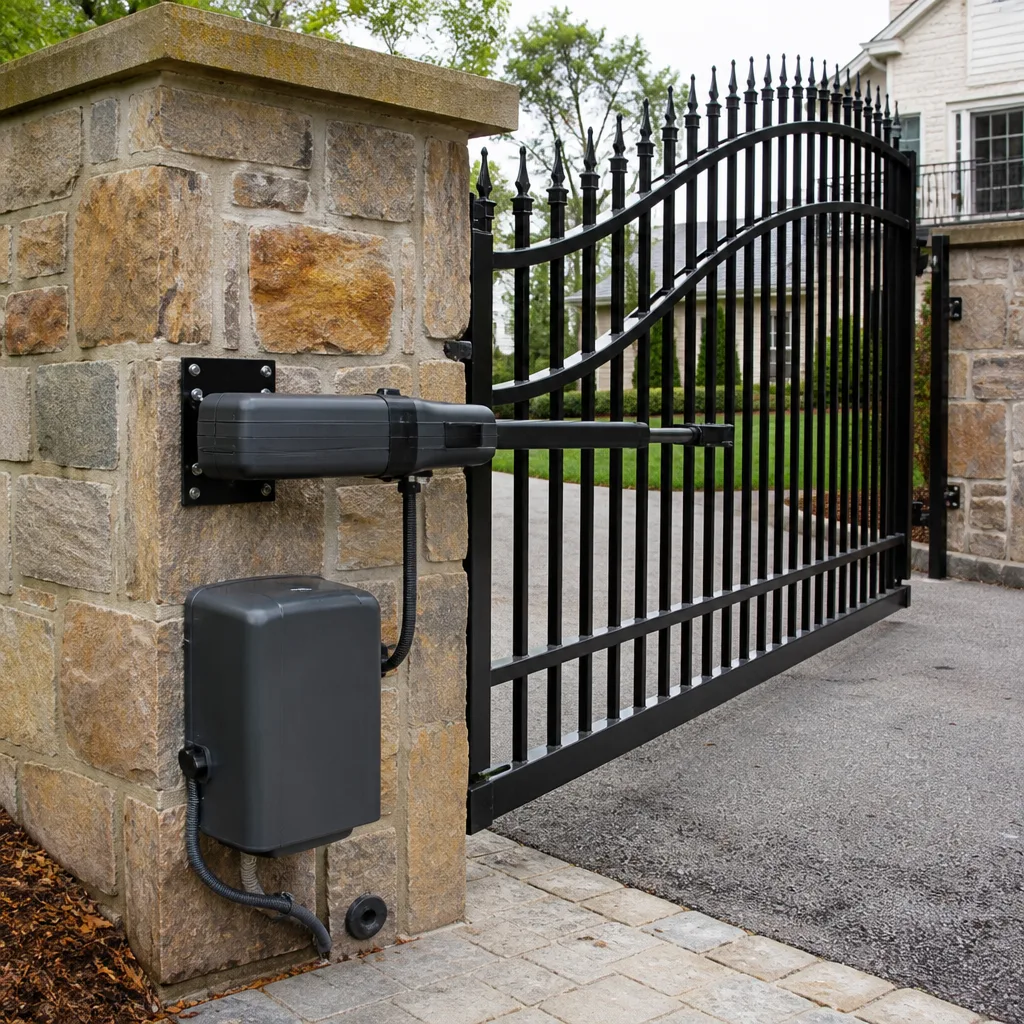 LiftMaster operators
Free on-site gate assessment - hinges, posts, and your LiftMaster or Nice gate operator checked before anything is quoted
The assessment is free and the quote is the invoice.
Get your free estimateGate Repair Permits, Codes & Inspections in Portland, OR: What You Need to Know
Most people assume a permit is only an issue for big construction projects. In Portland, that assumption gets gate owners into trouble. Replacing an operator, swapping a control board, or changing how a gate opens can cross a line that turns a simple repair into permitted work, and the gap between the two is narrower than most homeowners and property managers expect. This guide draws that line: what Portland’s Bureau of Development Services (BDS) counts as a repair, what counts as an alteration, where UL 325 compliance enters the picture, and how inspections actually get scheduled so your project doesn’t sit for weeks. We’ll also cover who pulls the permit on HOA and multi-family jobs and how accessibility rules affect gate replacement.
Quick Answer
In Portland, a like-for-like gate repair (fixing a hinge, replacing a damaged panel, restoring a motor assembly) generally needs no permit, but an alteration that changes the gate’s electrical system, its operating characteristics, or the structure itself typically requires electrical and sometimes mechanical permits through BDS. UL 325 safety compliance becomes a code requirement whenever an operator is replaced, and the work is subject to inspection. When in doubt, confirm with the Portland Bureau of Development Services before work begins, and have your gate contractor state clearly in the written estimate who is pulling the permit.
Styles & brands we work with
- Wrought iron
- Wood & steel frame
- Farm & ranch
- Sliding driveway gates
- LiftMaster operators
Table of Contents
- Repair or Alteration? Where Portland Draws the Line
- Which Permits BDS Requires for Gate Work
- UL 325 Compliance and Older Operator Systems
- HOA and Common-Area Gate Permits: Who Pulls Them
- ADA and Accessibility Rules for Commercial and Multi-Family Gates
- The BDS Inspection Timeline and How to Avoid Delays
- Unpermitted Gate Work and Property Sales
- How Portland Weather Affects Gate Work and Inspections
Repair or Alteration? Where Portland Draws the Line
The single most common misunderstanding we run into is the belief that “repair” and “alteration” mean the same thing. They don’t, and the difference decides whether you need to call the city at all.
A repair restores a gate or operator to the condition it was already in. Think of a sagging slide gate brought back into alignment, a keypad swapped for an identical model, or a control board replaced with a matching unit. These jobs keep the gate doing what it already did, and in Portland they generally don’t trigger a permit.
An alteration changes the gate’s electrical system, its operating characteristics, or the structure in a way that’s new. That includes:
- Installing an operator on a gate that was previously manual (or replacing a manual gate with an automatic one)
- Changing the operator type, voltage, or power source
- Running new electrical service to a gate location
- Adding or relocating safety devices like photo eyes or loop detectors as part of a system change
- Modifying the gate structure itself, such as widening an opening or changing the support posts
- Any work that changes how the gate responds to a vehicle or pedestrian approaching it
The blurry middle ground is where most mistakes happen. Replacing an aging FAAC operator with a new one of similar capability might read as a repair to the owner but as an alteration to BDS if the electrical characteristics or safety configuration change. When you’re not certain, ask the city’s building department directly. It’s a five-minute conversation that can save you a much longer one later. We cover the repair side of this in more depth on our gate repair page if you want to understand what a typical service call involves.
Which Permits BDS Requires for Gate Work
Portland’s Bureau of Development Services handles permitting for construction and electrical work within the city. For gate projects, the relevant permits usually fall into two categories: electrical and mechanical. Electrical permits cover the wiring, the operator’s power feed, and the safety devices. Mechanical permits may come into play when the gate’s motorized assembly is treated as a mechanical system rather than a simple structural repair.
Not every gate job needs both, and many need neither. Use this as a general guide, then verify the scope with BDS:
- Pure repair with no electrical change: no permit typically required.
- Replacing an operator with an identical model and unchanged wiring: often no permit, but confirm with BDS because local interpretation can vary.
- New electrical service or a change to the gate’s power: electrical permit required.
- Installing an operator on a previously manual gate: electrical permit, and inspection of the safety devices.
- Changing the gate’s mechanical structure or adding automated hardware: mechanical permit may apply.
- Commercial or multi-family installations: additional scrutiny, especially around accessibility and safety compliance.
The practical takeaway: before any gate job that touches electricity, ask whether a permit is needed rather than assuming it isn’t. If you’re weighing a full new system against a repair, the new-installation path almost always involves permitting, and our gate repair Portland overview explains how we structure the three service types (repair, electric-system repair, and installation) so the permitting conversation is clear from the start.
UL 325 Compliance and Older Operator Systems
UL 325 is the safety standard that governs automatic gate operators, and it’s the reason replacement jobs deserve more attention than they often get. The standard covers entrapment protection: the requirement that an automatic gate detect an obstruction and respond safely, typically through photo eyes, edge sensors, or loop detectors.
Where this becomes a code matter in Oregon is when an operator is replaced or a gate is converted to automatic operation. At that point, the new system is expected to meet current safety requirements, not the requirements that existed when the original equipment was installed. A gate built decades ago might have had minimal or no entrapment protection. Replacing only the motor while leaving the safety devices absent or outdated can leave you with a system that works but doesn’t comply.
What that means in practice:
- Plan for entrapment protection devices as part of any operator replacement, not as an optional add-on.
- Expect a technician to assess the existing safety devices when diagnosing an older system.
- If the gate’s age and design can’t be brought to current standards, the replacement decision may extend beyond the operator.
Older brands are where this comes up most. A Viking or Linear operator that’s been running reliably for years may still lack modern protection. Our electric gate repair service is built around exactly this kind of assessment, because a replacement decision made without understanding the safety picture is the wrong decision. We work on the gate you have, whether it’s a legacy system or a recent install.
HOA and Common-Area Gate Permits: Who Pulls Them
In HOAs and shared-entrance communities, the question of who is legally responsible for pulling the permit is where gate projects stall. The short answer: responsibility follows the property. If the gate is on common-area property owned by the HOA, the HOA (or the property manager acting for it) is the permit applicant, not the individual homeowner and not automatically the contractor.
In practice, a contractor can often file the permit on the property owner’s behalf, but the property owner remains the party of record. That means the HOA board or property manager still has to sign off on the application, supply the property details, and accept the inspection obligations. Skipping that step is a common source of trouble.
Here’s a workable sequence for shared gate projects:
- Confirm which entity owns the gate and its surrounding property. It’s usually the HOA, but not always: some gates sit on an easement or a shared parcel.
- Get the board or property manager to formally authorize the permit application before work is scheduled.
- Decide in writing who files the application and who is listed as the applicant and the contractor.
- Make sure the written estimate states who is pulling the permit and that the price is agreed before work starts.
- Confirm who will be present for the inspection and provide access to the gate.
Landlords and property managers with a single rental property don’t have to jump through the HOA hoop, but they do need to confirm permit responsibility with the contractor early. On a property you rent out, you’ll want the permit application and inspection record in your own file, because the paper trail follows the property, not whoever happened to place the call.
ADA and Accessibility Rules for Commercial and Multi-Family Gates
On commercial and multi-family Portland properties, gate replacement has an accessibility layer that doesn’t apply to single-family homes. When a gate controls a path that pedestrians use (an entrance, a driveway shared with a walkway, a parking structure with a pedestrian route), replacement work is a good time to look at whether the gate’s operation and the surrounding path meet accessibility expectations.
The relevant questions are practical:
- Can a person using a wheelchair or a walker pass through the gate opening without needing help?
- Does the gate’s automatic operation allow enough time to clear the path before it closes or re-engages?
- Are the pedestrian push-button, keypad, and loop detector positions reachable and usable?
- Does the turning space and approach on either side of the gate support a wheelchair or a person with a mobility aid?
Replacing an operator without reviewing these can leave a property with a functioning gate that still fails on accessibility. We’re not code officials and can’t sign off on ADA compliance, but we can flag the specific spots where a gate’s design or operation affects accessibility, and we can adjust control timing, sensor placement, and pedestrian access points as part of the install. That’s the practical advantage of a gate-exclusive contractor: we see the same problems across Portland properties often enough to know where to look. If accessibility is part of your project, bring it into the conversation before the estimate, not after.
The BDS Inspection Timeline and How to Avoid Delays
The inspection is where a well-planned gate project can lose weeks if the scheduling isn’t handled carefully. Portland’s BDS inspection process requires a scheduled appointment, an accessible site, and a permit already on file. Miss any of those and the inspection is rescheduled, which means the project sits.
What the typical sequence looks like:
- Permit application and approval: electrical or mechanical as applicable. Timeline varies by scope.
- Work performed: the contractor does the install or alteration once the permit is issued.
- Inspection request: filed once the work is complete and the site is ready.
- Inspection: the inspector reviews the electrical, mechanical, and safety detail against the approved scope.
- Final sign-off: the permit is closed and the inspection record becomes part of the property’s documents.
The delays we see most often come from three places. First, the site isn’t accessible: the vehicle gate is the only entrance and nobody thought about how the inspector gets to the equipment. Second, the safety devices aren’t installed or aren’t functioning at the time of inspection, and the inspector can’t sign off. Third, the scope described on the permit doesn’t match what was actually installed, which turns a straightforward inspection into a correction that has to be resubmitted.
The way to avoid all three is to have the scope spelled out clearly before application. Our technicians have up to 13 years of experience and handle inspection prep as part of the job: the equipment is installed, the safety devices are live, and the paperwork matches the work. If you’re navigating a BDS inspection in Portland and want a second set of eyes on scope or readiness, call us. The scheduling itself belongs to the city, but the readiness is something we can control.
Unpermitted Gate Work and Property Sales
Unpermitted gate work tends to surface at the worst possible time: during a property sale. A buyer’s inspection or the title review can flag permitted alterations that were never applied for, and once the seller’s disclosure and the escrow process catch it, everything slows down. The buyer’s lender often won’t close with open permit questions, and the seller is left trying to get a retroactive inspection while the deal is on the table.
What a retroactive process typically involves:
- Disclosing the unpermitted work to the city and applying for the appropriate permit after the fact
- Having the installation inspected against current requirements, not the requirements at the time it was originally installed
- Bringing any non-compliant safety devices up to standard
- Closing the permit once the inspection is passed
None of that is impossible, but it takes time, and during a transaction time is exactly what buyers and sellers don’t have. The simplest protection is to keep the permit and inspection record for every gate project you own, whether that’s a single-family home or a rental property. If you’re buying a Portland property with an automatic gate and the seller can’t produce a record of the operator replacement or the original install, ask questions before you sign. It’s a small piece of diligence that can save weeks later.
How Portland Weather Affects Gate Work and Inspections
Portland’s wet season runs long, and the region’s clay-heavy soil shifts with the moisture. That matters for gates in two ways. First, slide gates and swing gates on posts set into clay can gradually go out of alignment as the ground moves between a wet winter and a dry summer, and a misaligned gate puts strain on the operator. That misalignment shows up as a repair call more often than as a code issue, but it’s part of the reason gate systems in Portland need more frequent attention than a dry-climate reader might expect.
Second, the weather shapes the inspection and installation schedule. Exterior electrical work and inspection requests don’t always line up with a dry window, especially in the cooler months. When you’re planning a project, build a little slack into the timeline for weather and for the BDS scheduling queue rather than trying to squeeze an install, an inspection request, and a final inspection into a narrow window. That slack is where a lot of frustration gets avoided.
If your gate spans the Washington County line or sits in a Multnomah or Clackamas County pocket, the city of Portland is usually the right jurisdiction for permitting only when the property is inside city limits. When in doubt about which jurisdiction applies, check the property’s address against the city’s permitting map before applying. Getting that right is one of the easiest ways to keep a gate project on schedule.
Common Mistakes to Avoid
- Assuming any repair is a permit-free repair. A like-for-like repair usually is, but the moment the electrical system or the gate’s operating behavior changes, it’s an alteration and the answer can flip. Ask rather than assume.
- Replacing an operator without checking the safety devices. UL 325 compliance is judged on the replacement, not the original install, so an old gate with minimal protection needs the protection reviewed as part of the job.
- Leaving the permit responsibility vague in an HOA job. If no one owns the permit application, no one files it. Decide in writing who pulls it before the work is scheduled.
- Handling a commercial or multi-family gate as if it were a residential repair. The accessibility and safety considerations are different, and the inspection will look at both.
- Skipping the inspection-readiness walk-through. Access, live safety devices, and a permit scope that matches the work are what keep the inspection from getting rescheduled. These are easy things to fix before the inspector arrives, and hard to fix after.
- Not keeping the permit and inspection record. The paper trail belongs to the property, not the person who happened to hire the contractor. Lose it, and a future sale can stall on questions about what work was done.
- Assuming the contractor’s schedule will align with the city’s. An install and an inspection request are two separate steps, and the city sets the second one. Build slack into the plan.
See the difference
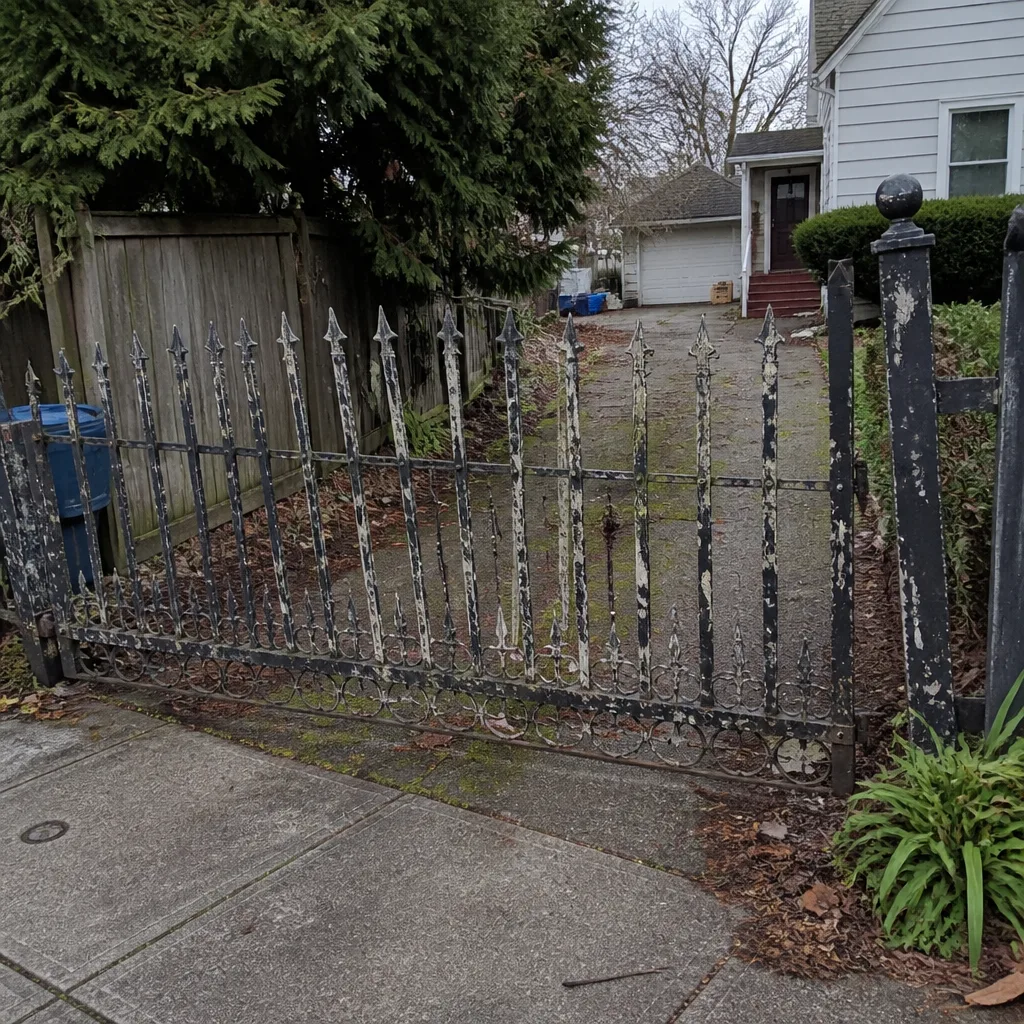 Before
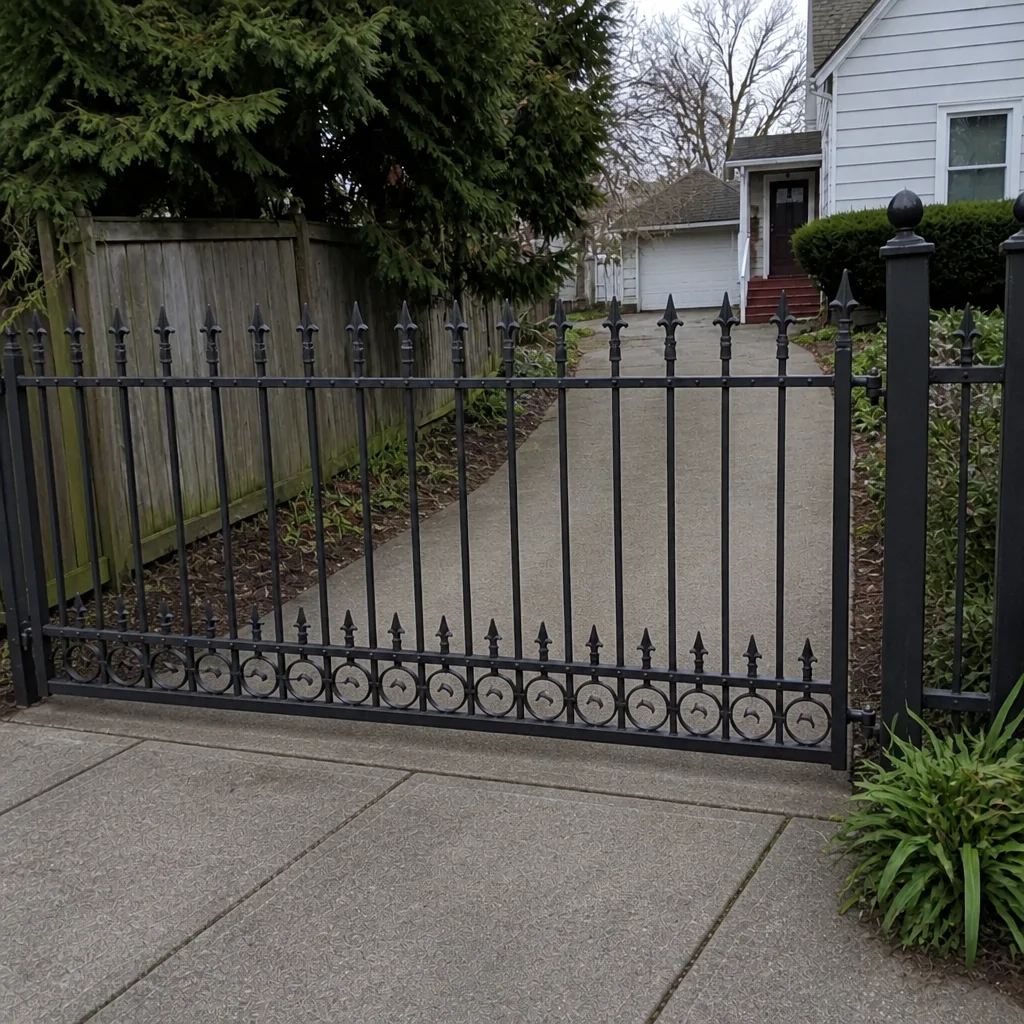 After
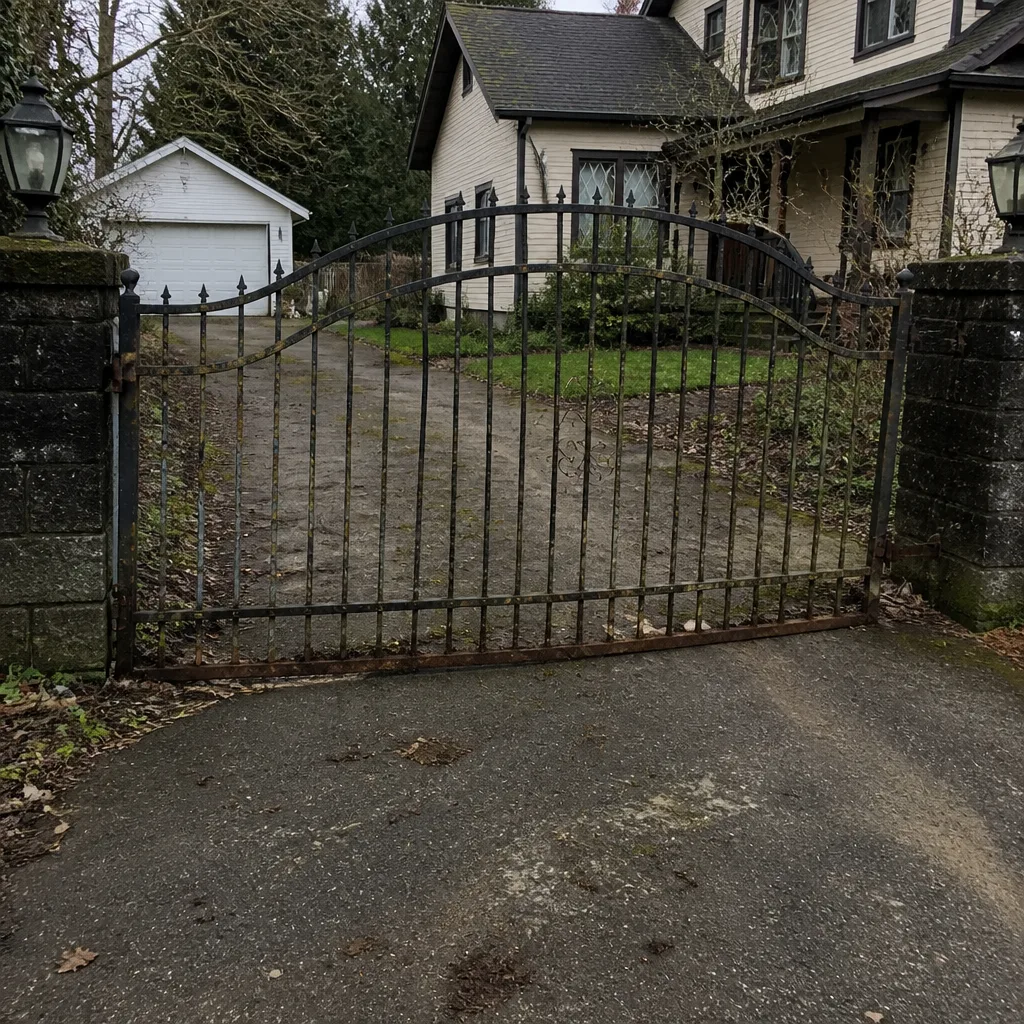 Before
 After
 Before
 After
When to Call a Professional
Gate work becomes a professional job the moment the decision affects safety, compliance, or the permit record. That includes any operator replacement on an older system without modern entrapment protection, any conversion of a manual gate to automatic, any electrical work at the gate’s location, and any HOA or multi-family project where someone has to be the applicant on the permit and the one on-site for the inspection. It also includes the quieter cases: a gate that’s gone out of alignment and is straining the motor, a control board that keeps tripping, or a keypad and loop setup that isn’t behaving the way it should. Gate Repair Portland offers free estimates in Portland, and we’re gate specialists, not generalists: the focus is on repair, electric-system repair, and installation, and nothing else. Call (855) 473-7281. We answer 24/7. Fast dispatch from 7am to 7pm, Sunday through Friday.
Frequently Asked Questions
Usually not, if the repair is like-for-like and doesn’t change the gate’s electrical system or operating behavior. Replacing a damaged panel, fixing a hinge, or swapping a control board for an identical unit generally falls under repair. Anything that changes the power, the operator type, or the gate’s safety configuration is more likely to be treated as an alteration and require a permit. Confirm with the Portland Bureau of Development Services if the scope is unclear. Call (855) 473-7281 for an exact quote on the repair side; estimates are free.
It can. Replacing an operator with an identical model and unchanged wiring sometimes reads as a repair, but any change to the electrical characteristics or the safety systems moves it into permitted work. Because UL 325 compliance is evaluated on the replacement, the operator swap is also the point where entrapment protection gets reviewed. The safe path is to ask BDS before the work starts. We’ll tell you what the installation involves before we quote it, so call (855) 473-7281 and we’ll walk through it.
The property owner is the party of record, so on common-area gates that’s the HOA or its property manager. A contractor can typically file the application on the owner’s behalf, but the HOA still has to authorize it and accept the inspection obligations. Put the responsibility in writing before the job is scheduled so nobody assumes the other party is handling it. Call (855) 473-7281 to talk through a specific project.
The inspection itself is a single appointment, but the total timeline runs from permit application to final sign-off and depends on scope, the city’s scheduling queue, and whether the site and safety devices are ready when the inspector arrives. The most common source of delay is an inspection requested before the equipment is installed or the safety devices are live. Building a little slack into the schedule is the practical fix. For the install side, call (855) 473-7281 for a free measure and a written price.
It can, when the gate controls a pedestrian route on a commercial or multi-family property. Replacement work is the right time to check clearance, timing, control placement, and approach space around the gate. We’re not code officials and can’t certify ADA compliance, but the operator’s timing, sensor placement, and pedestrian access points are things we adjust as part of the job. Call (855) 473-7281 with the property details and we’ll scope it.
Yes, but it’s much easier if you resolve the permit before going to market. Unpermitted work can surface during inspection or title review and hold up escrow while a retroactive permit and inspection are processed. If you’re buying, ask for the permit and inspection record on any automatic gate. If you need a gate brought up to compliance before a sale, call (855) 473-7281 for a free estimate.
The Bottom Line
The permit question on a Portland gate comes down to one distinction: is the work a repair that restores what was already there, or an alteration that changes the electrical system, safety configuration, or structure? Get that answered before you schedule the work, not after. Replacing an operator is the point where UL 325 compliance gets re-evaluated, so plan entrapment protection as part of the job. On HOA and multi-family properties, settle who pulls the permit in writing. And keep every inspection record, because the paper trail follows the property. If the scope is unclear, call.
We work on the gate you have, whether that’s a FAAC or BFT system you’ve maintained for years or a recent installation. Call (855) 473-7281. We answer 24/7. Fast dispatch from 7am to 7pm, Sunday through Friday. Estimates are free, and the price is quoted and agreed before any work starts.
Written by the team at Gate Repair Portland.