
Last updated November 15, 2026
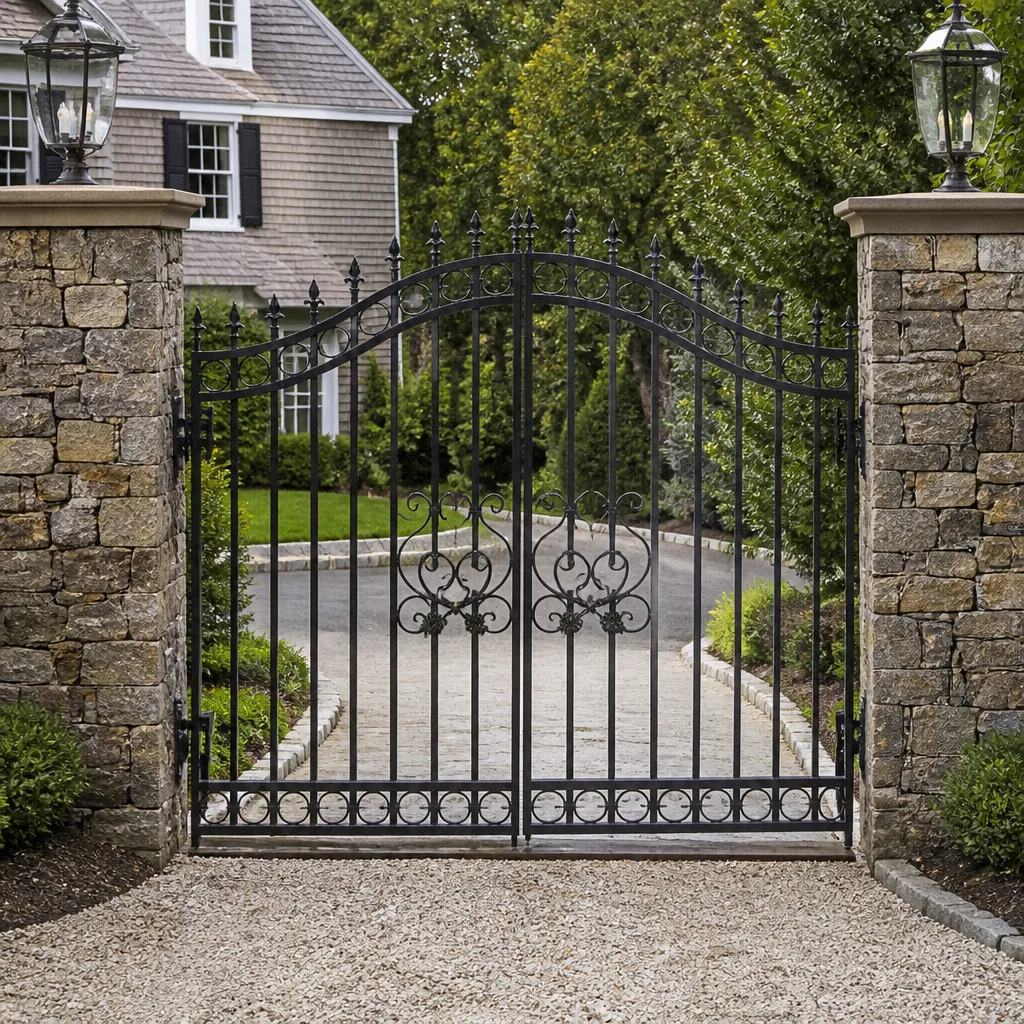 Wrought iron
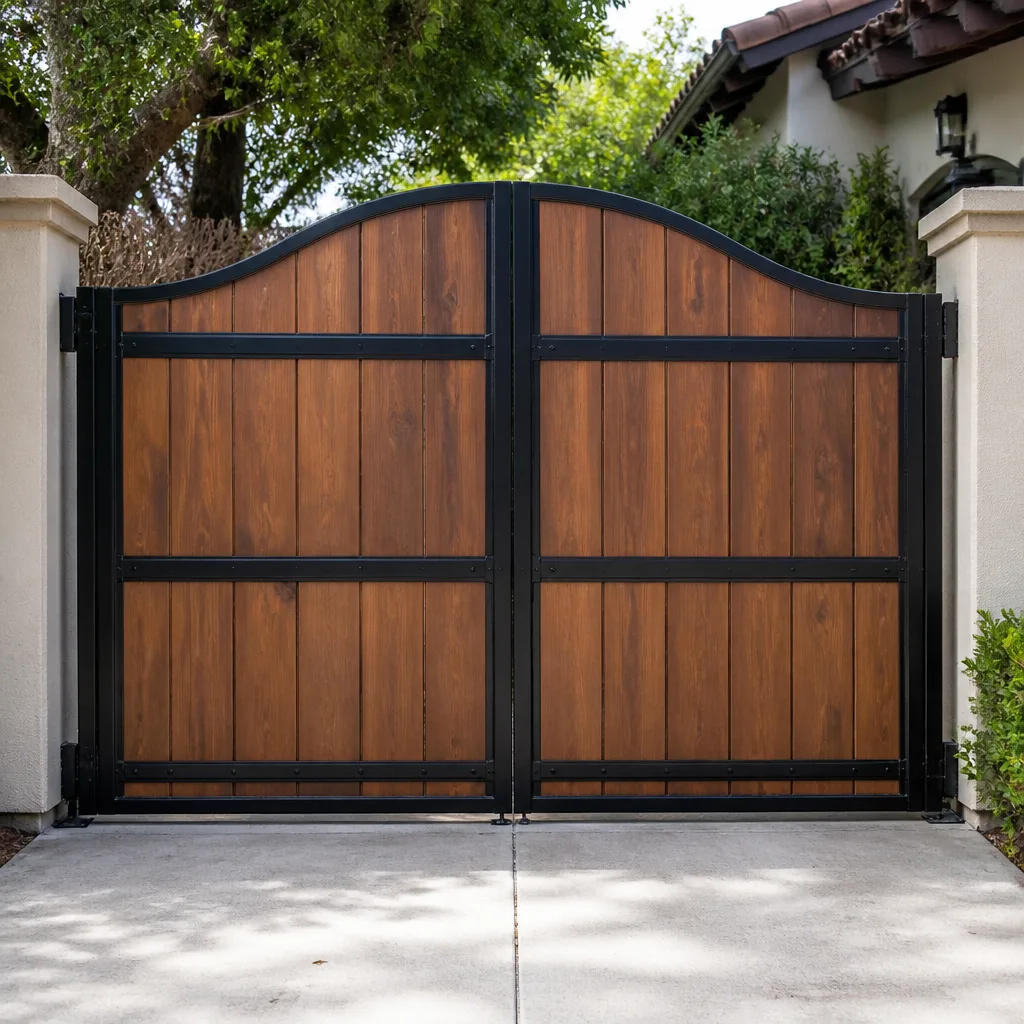 Wood & steel frame
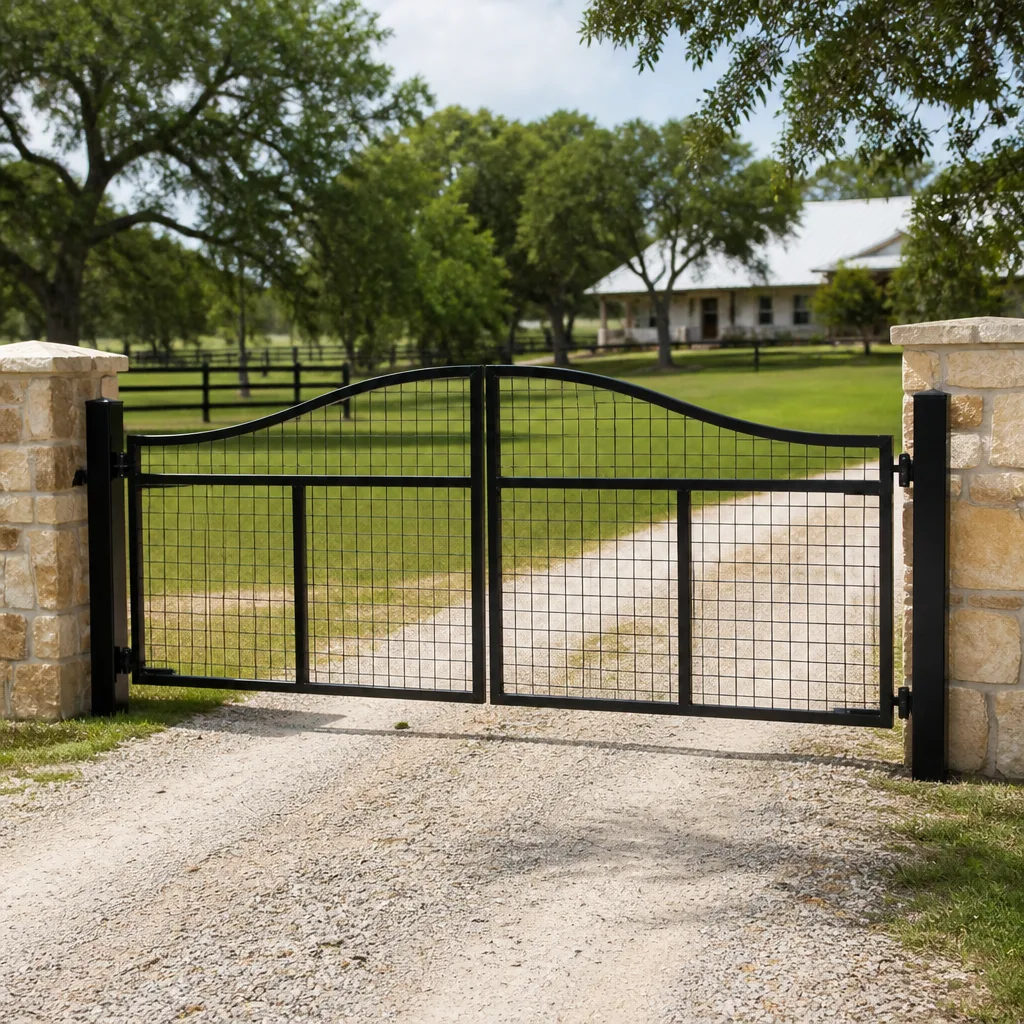 Farm & ranch
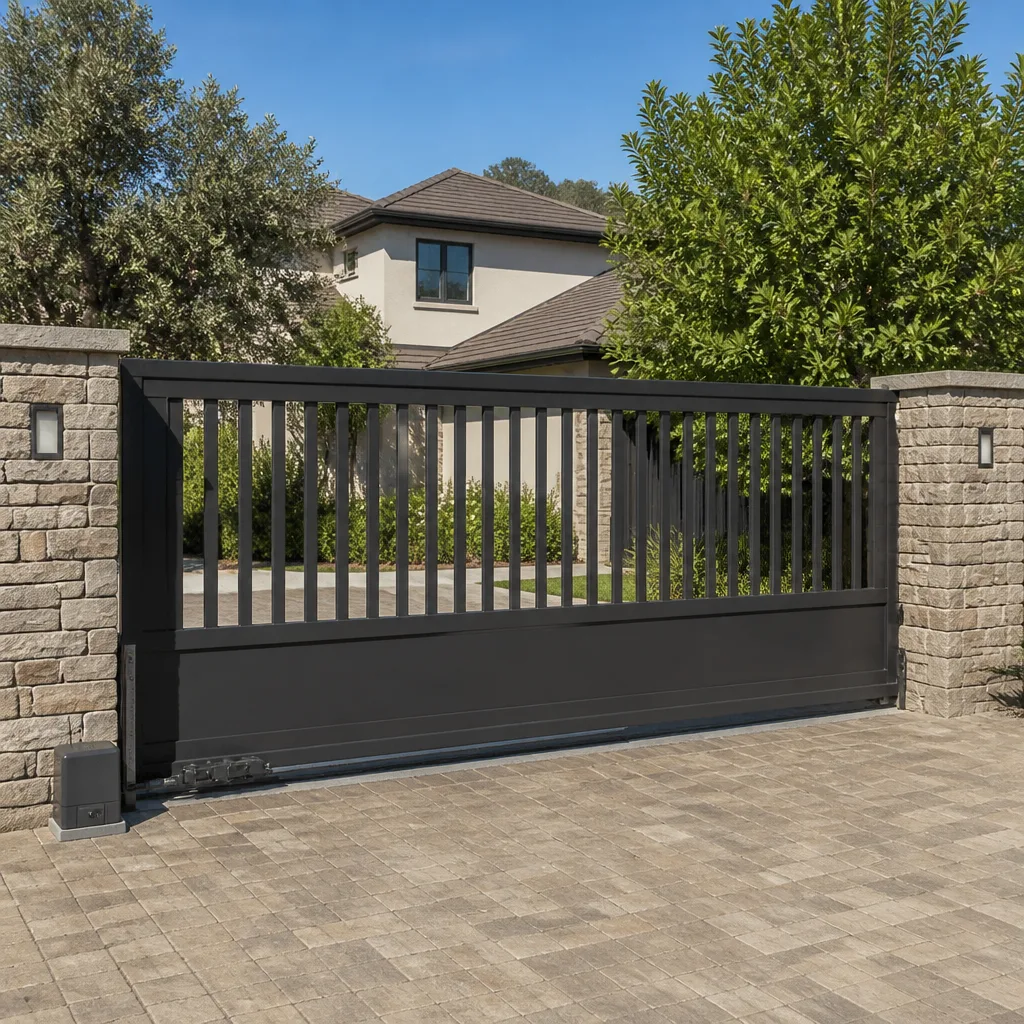 Sliding driveway gates
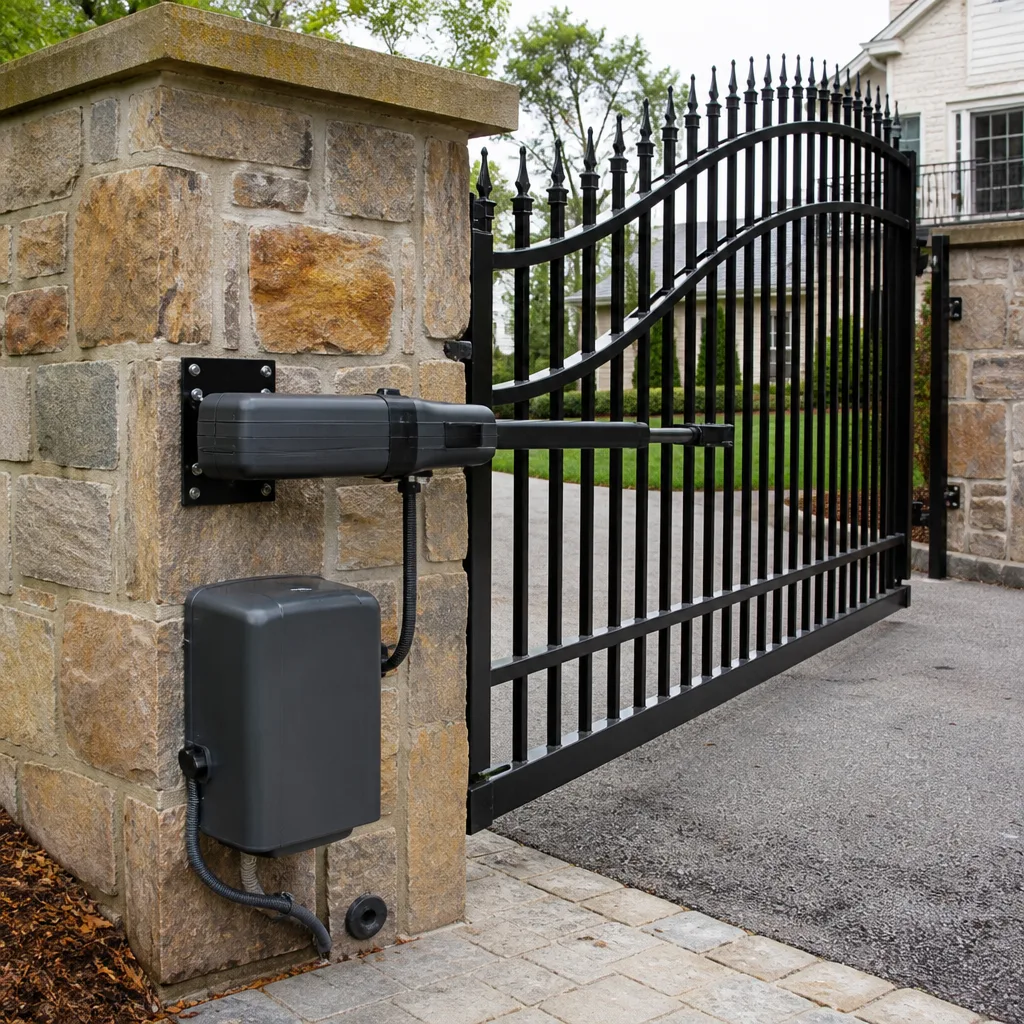 LiftMaster operators
Free on-site gate assessment - hinges, posts, and your LiftMaster or Nice gate operator checked before anything is quoted
The assessment is free and the quote is the invoice.
Get your free estimateGate Repair Warning Signs: A Portland Homeowner’s Reference Guide
A gate that hesitates for two seconds before it moves isn’t simply old. It’s telling you the operator is drawing excess current, often because a hinge, roller, or track obstruction is forcing the motor to work harder than it was designed to. Left alone, that extra load turns into a burned-out motor within weeks. Most gate failures in Portland actually announce themselves 30 to 90 days in advance through readable symptoms. The trouble is that homeowners don’t know which symptoms are cosmetic and which signal an imminent full failure. This guide translates the signals your gate sends into plain-language triage, so you can tell the difference between “keep an eye on it” and “call someone this week.”
Quick Answer
Gate repair warning signs in Portland include grinding or scraping noises, hesitation before movement, drifting or sagging, reversing mid-cycle, remote lag, and intermittent failures. Grinding and drifting usually point to mechanical problems like worn hinges, rollers, or a leaning post. Reversing, remote lag, and failures that come and go point to electrical or control-board issues. Consistent symptoms tend to be mechanical and predictable; intermittent ones are often the more urgent electrical diagnosis.
Styles & brands we work with
- Wrought iron
- Wood & steel frame
- Farm & ranch
- Sliding driveway gates
- LiftMaster operators
Table of Contents
- The Symptom-to-Cause Translation Table
- Slow Gate: Operator Wear vs. Mechanical Resistance
- Why Intermittent Failures Are More Urgent Than Consistent Ones
- Reading Rust: Structural Compromise vs. Surface Oxidation
- Portland-Specific Warning Signs
- What Your Operator Brand Tells You
- When a Gate Crosses Into Safety Territory
- A Simple Weekly Inspection Routine
The Symptom-to-Cause Translation Table
Every symptom your gate shows maps to a small set of likely causes. Learning the mapping turns guesswork into a diagnosis you can act on. Here’s how we read the most common signals in our own work, and what each one usually means for the underlying system.
- Grinding or scraping: A worn hinge, a dry roller, a track with debris or a bent rail. Mechanical friction is the usual suspect, and it accelerates motor wear.
- Hesitation before movement: Excess current draw from the operator. The motor is straining against resistance, so it draws more current and eventually fails.
- Drifting or sagging: A post leaning, a hinge loosening, or the gate’s weight shifting off its alignment. This is structural, not electrical.
- Reversing mid-cycle: A safety sensor or loop detector triggering without an obstruction, or a control board misreading a signal. Electrical.
- Remote lag or partial range: A weak receiver, a failing remote battery, antenna damage, or control-board interference. Usually electrical or signal-related.
- Dead on arrival: A tripped breaker, a failed control board, or a power supply problem. The gate is intact; the system that drives it isn’t.
The trick is separating symptoms that live in the gate’s metal from those that live in its electronics. Grinding, drifting, and sagging are almost always mechanical. Reversing, lagging, and intermittent failures are almost always electrical. That distinction decides who you need and how deep the fix runs.
Slow Gate: Operator Wear vs. Mechanical Resistance
A slow gate reads the same to a homeowner whether the cause is operator wear or mechanical resistance, but the fixes sit at very different depths. Operator wear is the motor and gearbox aging, losing efficiency, and moving the gate more slowly as a symptom of its own decline. Mechanical resistance is the gate itself fighting back: a rusted hinge, a misaligned track, a bound roller, or a post that has shifted. Both make the gate slow. Both draw excess current. But one points to the operator and the other points to the hardware the operator drives.
The difference matters because it changes the size of the job. A worn operator sometimes means a repair to a component or, in older systems, a replacement. Mechanical resistance is usually the more contained fix: free the hinge, realign the roller, clean the track, and the gate moves at its designed speed again. Burning out a healthy motor because a hinge is fighting it is the expensive version of this equation, second only to replacing an operator that was fine except for its strained current draw.
What we watch for is whether the slowness appeared gradually or suddenly. Gradual slowing over months often tracks operator wear. A sudden hitch or slowdown after a storm or a season of heavy use usually tracks mechanical resistance. Neither is a job to ignore, because a slow gate is a loaded gate, and the motor pays for it. Our gate repair work starts with diagnosing which side of that line your gate sits on before recommending anything.
Why Intermittent Failures Are More Urgent Than Consistent Ones
Consistent failures are actually easier to live with because they’re predictable. If the gate never closes, you know to close it manually. If it always reverses, you know not to trust it. Intermittent failures break that predictability, and unpredictable gate behavior is precisely what you don’t want at the one entrance you rely on for security and access.
The electrical diagnosis behind intermittent failures is where specialized equipment and experience matter. A loose wiring connection, a dirty loop detector, a sensor knocked slightly out of alignment, or a control board with a failing input all present the same way to the homeowner: the gate works, then it doesn’t. Real electric gate repair means tracing the fault through the control system rather than swapping parts and hoping. If your gate has gone intermittent, that’s the signal to bring in electric gate repair before the fault becomes permanent.
Reading Rust: Structural Compromise vs. Surface Oxidation
Not all rust is a warning. Some is cosmetic, and some is a structural red flag. Portland’s wet climate means gates here are exposed to moisture far more often than in drier regions, so surface oxidation is common and often harmless. The distinction is between rust that sits on the surface and rust that has eaten into metal that carries load.
- Surface oxidation: A thin, even film of rust on painted metal, often orange or brown, that wipes away or lightly brushes off. It’s cosmetic and usually treatable with cleaning and a protective coat.
- Structural compromise: Deep, flaking, or pitted rust at joints, welds, hinges, and the base of posts. It’s the rust you can dig into. This is a load-bearing signal, not a cosmetic one.
The places to check are the ones that carry weight: hinge plates, the weld where the frame meets a post, the bottom of posts near the ground, and any steel that flexes when the gate moves. Rust at a weld or a hinge is a mechanical warning, because that’s where the gate’s own weight is concentrated. Rust near the base of a post is a foundation warning, and it’s the one people miss most often.
Surface rust is a maintenance task. Rust that has compromised a load-bearing joint is a structural problem, and it’s not a job for a paint touch-up. If you can push a screwdriver into a rusted weld by hand, that’s the difference between “treat it” and “call someone who works on gates.” We cover this in more detail in our guide to Portland gate conditions, because the climate here keeps moisture on metal long enough to matter.
Portland-Specific Warning Signs
Portland’s rain and soil give homeowners a set of warning signs you won’t read about in a generic gate guide. The most important is post lean caused by soil saturation. Heavy, persistent rain softens soil, and a gate post that sits in saturated ground can gradually shift out of vertical. A leaning post doesn’t just look wrong. It throws the whole gate out of alignment, which loads the operator and accelerates every other failure on this list.
The second Portland-specific sign is seasonal sluggishness. A gate that binds or slows noticeably in the wet season and frees up in dry weather is telling you that moisture is getting into the mechanism. That could be a swollen hinge, a track holding water, or a roller seizing as it dries. It’s rarely the operator, and it rarely fixes itself.
The third is the one that turns a repair into a bigger job: a gate that has started to sag at the latch side. Sag is normal wear on any gate, but when it follows a stretch of heavy rain, it’s often a post settling into soft ground. Gate repair alone won’t resolve a foundation problem. If the post is moving, the fix has to address the post, or the same symptom returns within a season.
We work on gates across Portland and see these patterns repeat in the wet months. The good news is that each one is readable early. A post that’s still vertical but soft at the base, a gate that binds a little in the rain, a hinge that groans in damp weather: these are the 30-to-90-day signals that give you time to act before a full failure.
What Your Operator Brand Tells You
Your operator’s brand doesn’t change the warning signs, but it does change the diagnosis path. Some of the systems homeowners call us about most often are Viking, Ghost Controls, DoorKing, and Elite, and each has its own failure patterns. A Viking operator may show a specific control-board fault; a Ghost Controls unit may behave differently at the remote and receiver; a DoorKing access system may throw a loop-detector fault that reads like a mechanical problem; an Elite operator may develop a motor or limit-switch issue that mimics a track problem.
What matters is that diagnosis should start from what’s actually on the gate, not from what a technician happens to stock. A single-brand dealer will often steer a homeowner toward a full replacement simply because the brand on the gate is unfamiliar to them. That’s the wrong starting point. The right starting point is reading the operator you have and working out whether the fault is mechanical, electrical, or control-board related.
The useful rule for homeowners is simple. If a technician tells you the whole system has to go, ask them what fault they found and why a repair to that fault wouldn’t work. A confident diagnosis names the specific failure. If the answer is vague, the recommendation is probably about what’s convenient to install, not what’s wrong with your gate. Gate Repair Portland diagnostics are brand-agnostic for exactly that reason: we work on the gate you have.
When a Gate Crosses Into Safety Territory
Some warning signs are a repair prompt, and some are a stop-using-the-gate prompt. The difference comes down to what the failure can do to a person or a vehicle when it happens. A gate that reverses unpredictably, a gate that slams instead of closing slowly, a slide gate that has come off its track, or any heavy gate whose operator no longer stops when it meets an obstruction all belong in the second category.
Electric operators bring their own hazards. The wiring and power supply behind an automatic gate carry real current, and a control board or motor that has failed partially can behave unpredictably. Heavy gate panels that aren’t properly supported can crush. A slide gate off its track can fall. None of these are problems to diagnose by hand.
If your gate is on that list, treat it as a safety problem first and a repair second. Stop running it automatically, secure it manually if you can do so safely, and bring in someone who works on gates for a living. We say this as a working rule rather than a sales line: the cost of a gate repair is small next to the cost of an injury that a misbehaving operator can cause. The gate repair guide we keep on this site covers the same safety ground, because it’s the part of the trade homeowners most often underestimate.
A Simple Weekly Inspection Routine
You can catch most of these warning signs with a two-minute walk around your gate each week. The point isn’t to fix anything yourself. It’s to notice a change early enough that the fix stays small. Here’s the routine we recommend:
- Listen before it moves. Stand near the gate and have someone trigger it. Any grind, scrape, or groan before it moves is a mechanical warning.
- Watch the whole cycle. Does it hesitate? Reverse? Stop short? Each behavior points to a different cause, and the pattern matters.
- Check the post. Look down the length of the post. Is it still vertical? Push lightly near the base and see if it moves in soft ground.
- Look for rust at the loads. Check hinges, welds, and the base of posts. Surface rust is cosmetic; flaking rust at a joint is not.
- Test the remote from a distance. Does it respond at the same range it used to? A shrinking range is an early electrical signal.
- Test the safety stop. If the gate stops and reverses when it meets an obstruction, the safety system is working. If it doesn’t, that’s a stop-using-it signal.
Keep a short note on your phone each week. “Hesitates on opening, started Tuesday” is worth more to a technician than “it’s been acting funny.” Patterns make diagnosis faster, and faster diagnosis keeps the repair smaller. If you’re noticing any of these signs and want a professional read, call (855) 473-7281. We answer 24/7. Fast dispatch from 7am to 7pm, Sunday through Friday.
Common Mistakes to Avoid
- Replacing the operator before diagnosing the gate. A worn motor is sometimes the problem, but a burned-out motor is often the symptom of a hinge or track that was the real cause. Replacing the operator without fixing the resistance just burns out the next one too.
- Treating intermittent failures as “just a quirk.” The gate that works sometimes and fails other times is usually the more urgent electrical problem, not the least. Intermittent faults tend to become permanent.
- Ignoring a leaning post because the gate still works. In Portland’s wet seasons, a soft post leads to a sag that loads the operator and accelerates every other failure. Fixing the post is what makes the other repairs stick.
- Painting over structural rust. A coat of paint over a rusted weld hides the problem without fixing it. Surface rust is fine to treat; rust at a load-bearing joint needs a structural answer.
- Letting a single-brand dealer talk you into a full swap. If a technician can’t name the specific fault in the operator you own, the recommendation is about inventory, not diagnosis. Ask what’s broken and why a repair won’t work.
- Testing the safety stop by hand. Pushing a moving gate panel to check its safety reversal can hurt you. Check the safety system by triggering an obstruction or using the operator’s own test procedure, and leave anything that involves power or heavy panels to a professional.
- Waiting for the gate to fail completely. The 30-to-90-day window is the window where repair is cheapest and safest. Once the gate stops moving, you’re scheduling an emergency, not a repair.
See the difference
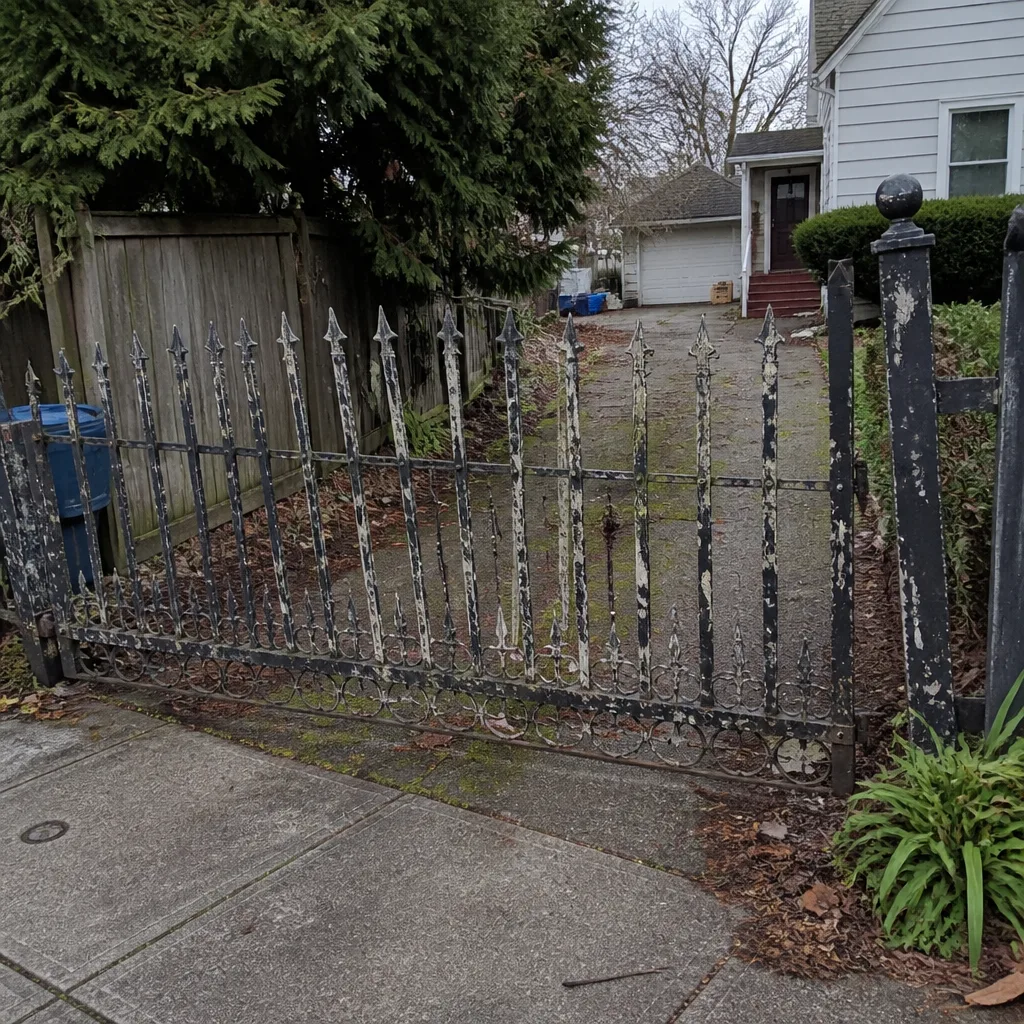 Before
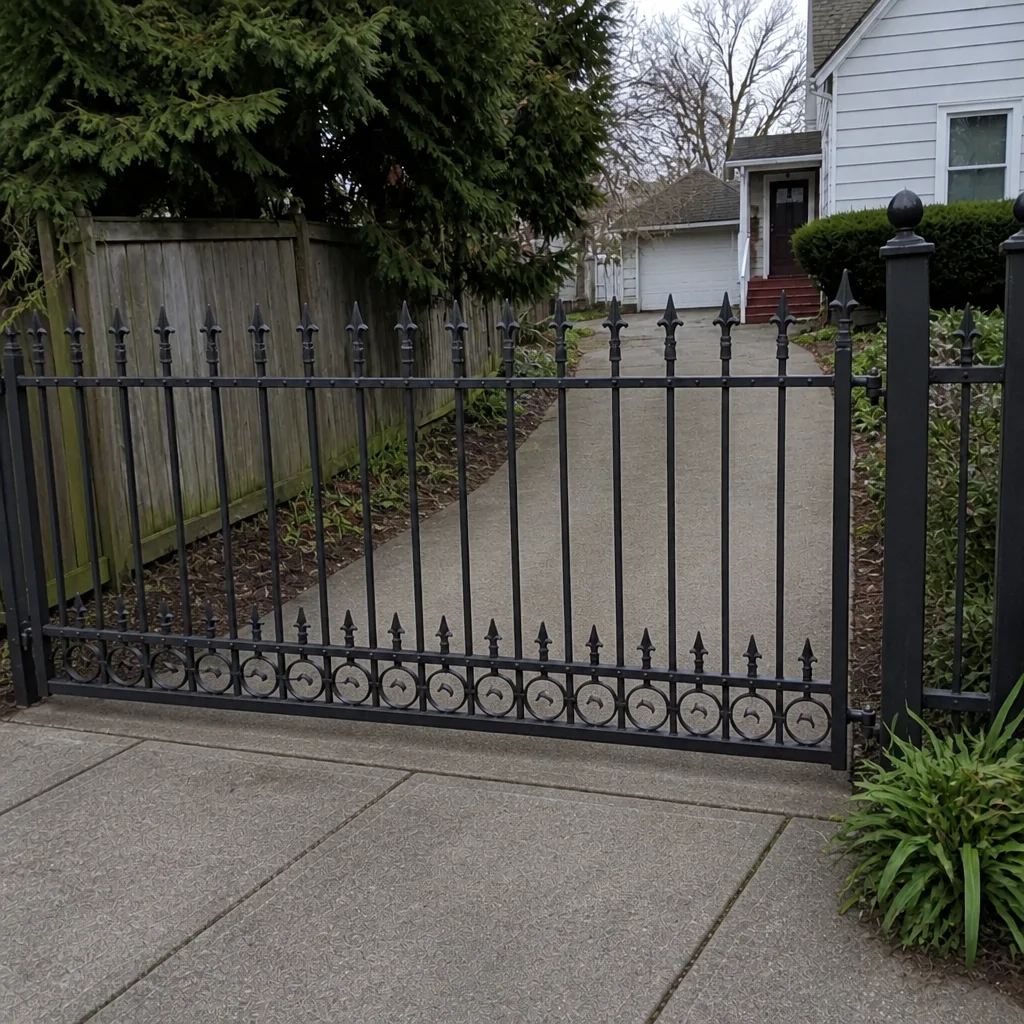 After
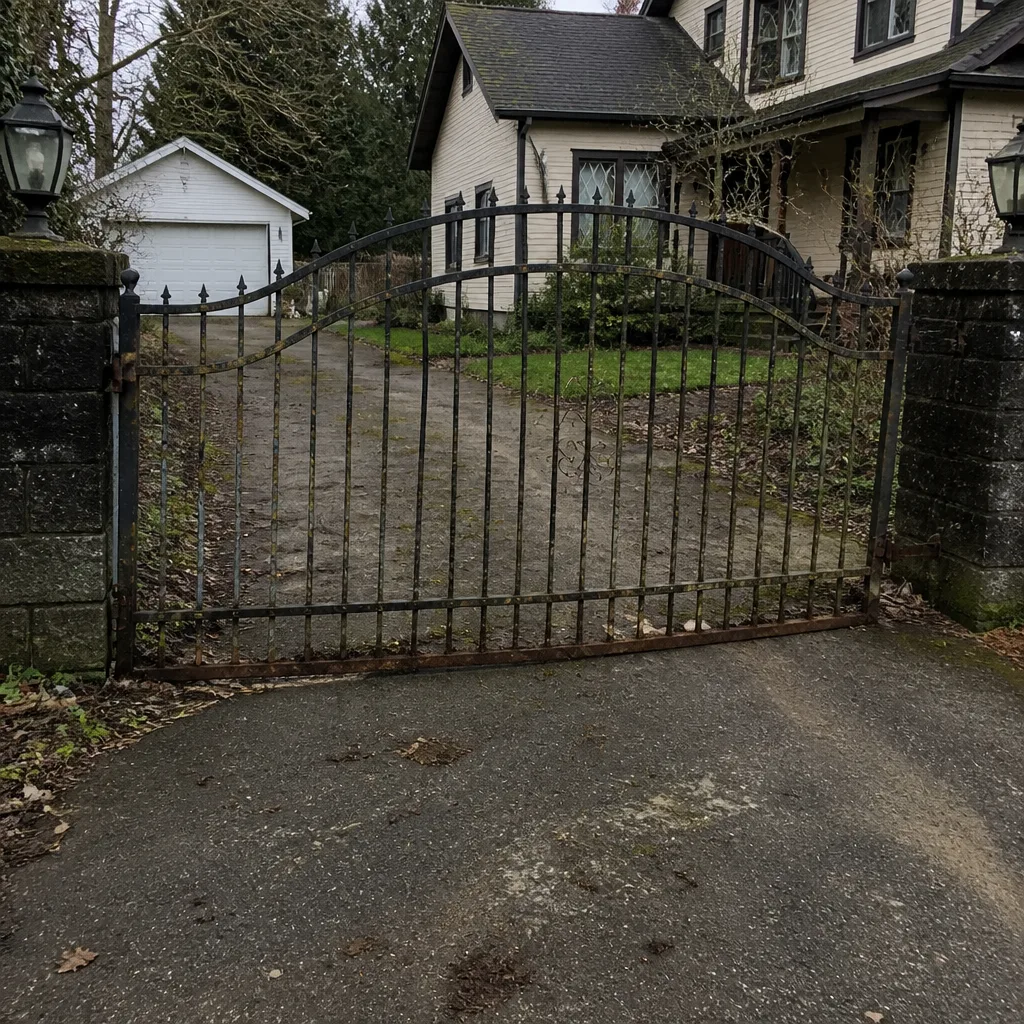 Before
 After
 Before
 After
When to Call a Professional
Call a professional when the signal points to something more than cosmetic upkeep. Grinding that returns after a clean, a gate that reverses without an obstruction, a remote that responds only up close, a post that has moved, or a rusted weld at a load-bearing joint: any one of those is a reason to get a trained eye on the system. Our technicians have up to 13 years of experience, and we work on the gate systems homeowners actually own, from Viking and Ghost Controls to DoorKing and Elite. We start with a diagnosis rather than a sales pitch, and we tell you plainly whether the fix is mechanical, electrical, or structural. Gate Repair Portland offers free estimates in Portland. Call (855) 473-7281. We answer 24/7. Fast dispatch from 7am to 7pm, Sunday through Friday.
Frequently Asked Questions
The earliest signs are a hesitation before movement, a grind or scrape, and a gate that binds in wet weather. Those three usually point to mechanical resistance, which is the cheapest problem to catch early. Call (855) 473-7281 for a free estimate if you notice any of them.
Intermittent failures usually point to an electrical issue: a loose connection, a sensor near its threshold, a control board misreading a signal, or a loop detector with interference. They’re more urgent than consistent failures because they can become permanent without warning. Call (855) 473-7281 to have the control system diagnosed.
A slow gate can be either operator wear or mechanical resistance, and the fix depends on which. Gradual slowing over months often tracks operator wear; a sudden hitch after a storm or a wet season usually tracks a hinge, track, or post problem. Call (855) 473-7281 for a free estimate and a proper diagnosis before you replace anything.
Yes. Portland’s wet seasons soften soil around gate posts, which can cause lean and sag, and moisture gets into hinges and tracks enough to cause seasonal binding. Both are readable early if you know what to look for. Call (855) 473-7281 if you’re seeing either pattern.
Surface rust is a thin film that wipes off or brushes away, and it’s cosmetic. Structural rust is deep, flaking, or pitted at welds, hinges, and the base of posts, and it can be dug into. If the rust is at a load-bearing joint, it’s a structural problem, not a paint touch-up. Call (855) 473-7281 for an assessment.
We repair the gate system you own rather than steering you toward a replacement based on brand. We work with Viking, Ghost Controls, DoorKing, Elite, and a range of other operators, and diagnosis starts with what’s actually on your gate. Call (855) 473-7281 for a free estimate.
The Bottom Line
Your gate tells you when it’s failing, usually weeks before it stops. Grinding, drifting, and seasonal binding are mechanical signals. Reversing, remote lag, and intermittent failures are electrical signals. A leaning post in Portland’s wet soil is a foundation signal, and rust at a load-bearing joint is a structural one. The skill is reading which is which, because the mechanical fix and the electrical fix sit at different depths. Learn the patterns, run the weekly inspection, and act inside the 30-to-90-day window. That window is where repair stays small, safe, and quick.
If you’re seeing any of the warning signs in this guide and you’d rather have a trained eye read them, call (855) 473-7281 for a free estimate. We answer 24/7. Fast dispatch from 7am to 7pm, Sunday through Friday.
Written by the team at Gate Repair Portland.