
Last updated November 15, 2026
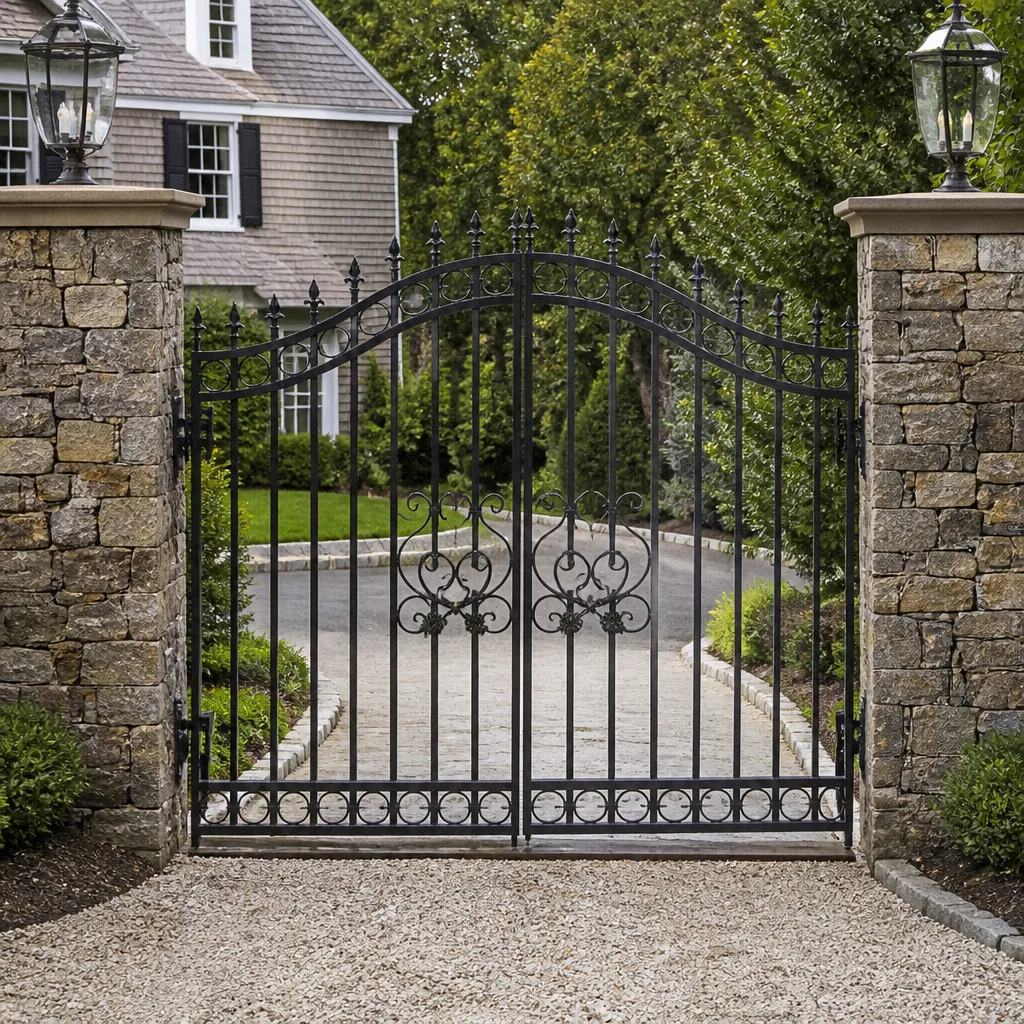 Wrought iron
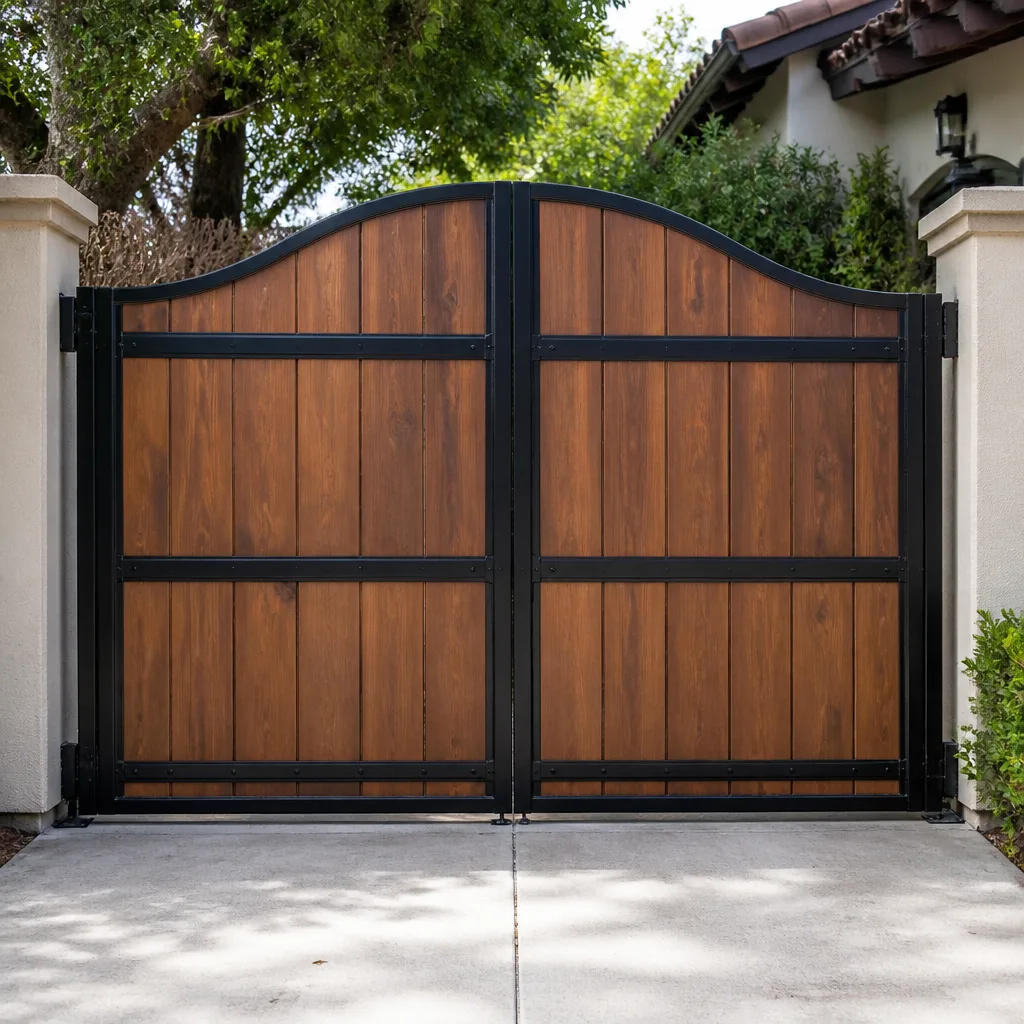 Wood & steel frame
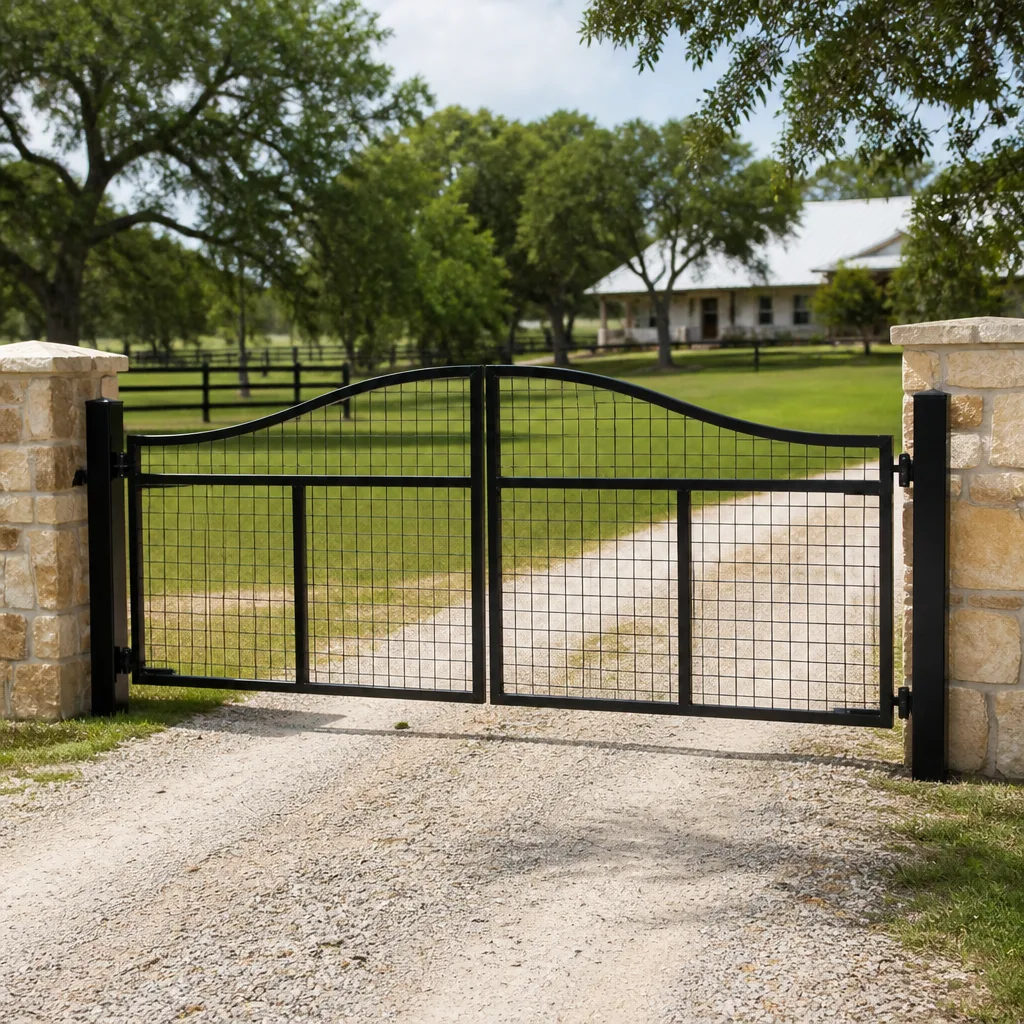 Farm & ranch
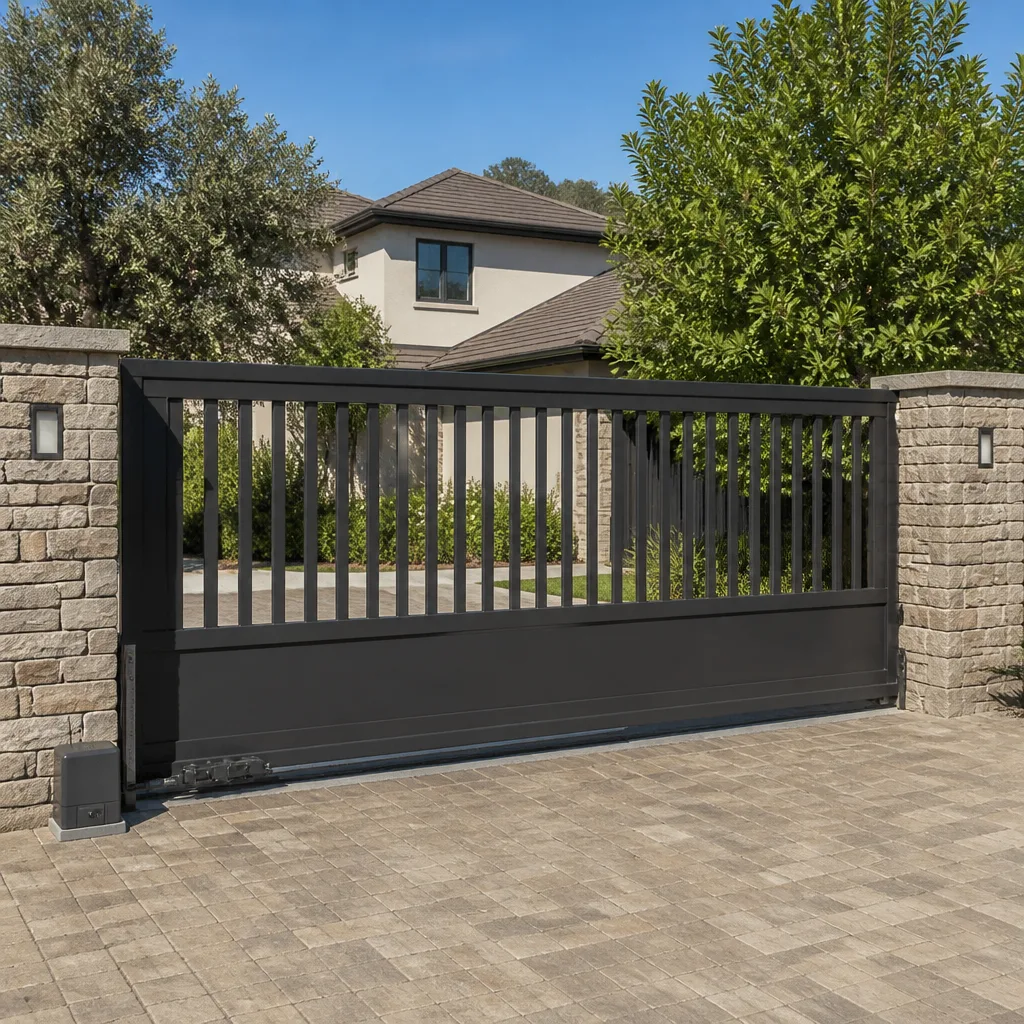 Sliding driveway gates
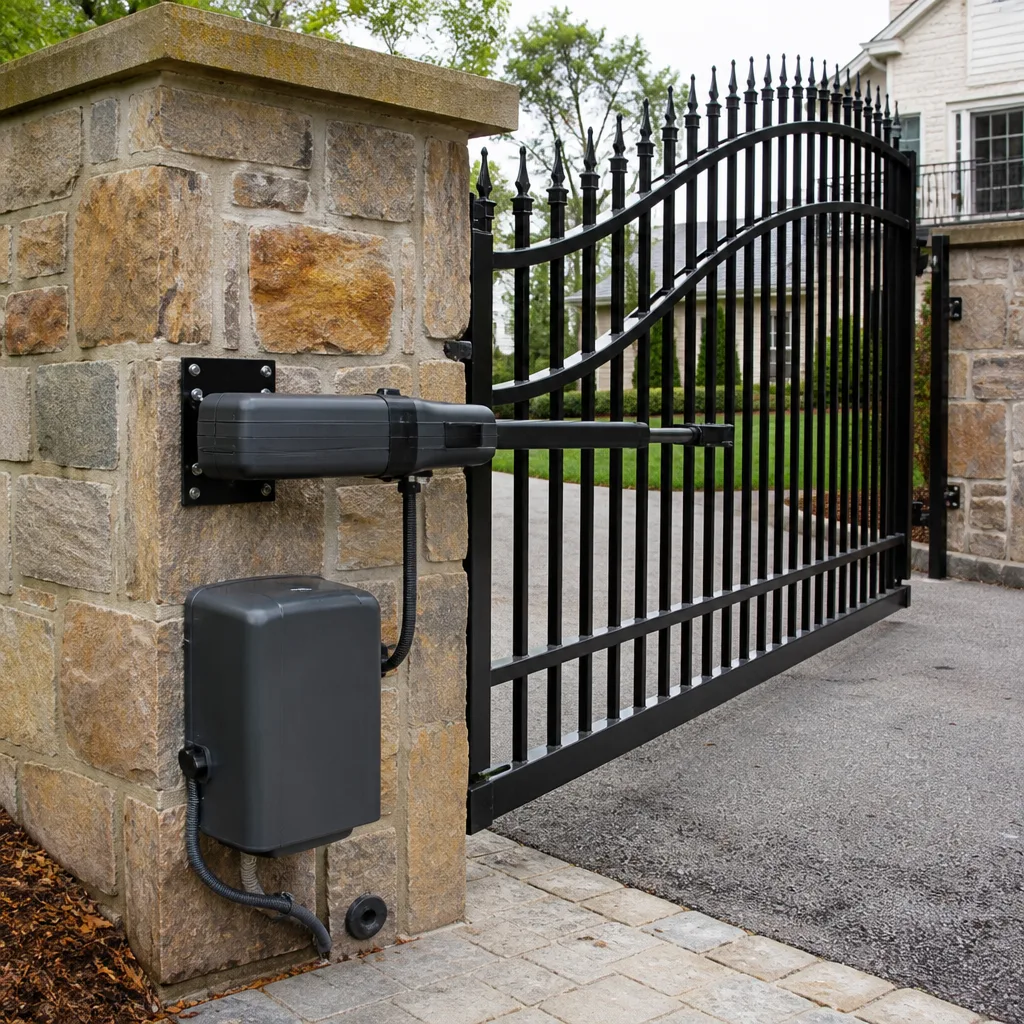 LiftMaster operators
Free on-site gate assessment - hinges, posts, and your LiftMaster or Nice gate operator checked before anything is quoted
The assessment is free and the quote is the invoice.
Get your free estimateChoosing the Right Gate Repair Brand: A Buyer’s Guide for Portland
Most gate operator buyers start with the wrong question. They ask which brand is best instead of asking which brand they can actually get parts for, get serviced, and keep running through a Portland winter. Brand reputation matters, but it won’t help you when a control board fails, the regional warehouse is out of stock, and your driveway sits open until a factory-direct order arrives weeks later. In this guide we’ll walk through the criteria that actually decide whether an operator holds up in Portland’s wet climate: parts availability here in the Pacific Northwest, duty cycle matched to real use, enclosure ratings, access-control compatibility, and a realistic five-year cost picture. You’ll finish knowing how to choose a brand that’s serviceable locally, not just well marketed.
Quick Answer
The right gate operator brand in Portland is the one with regional parts stock, an enclosure rating and board coating suited to months of rain and humidity, a duty cycle matched to how often your gate actually opens, and compatibility with the access-control hardware you already own. For most Portland properties, that narrows the field to brands with Pacific Northwest distributor coverage and a local technician who can diagnose and repair the system on-site. A well-supported mid-tier operator usually beats a premium brand with thin local service coverage. Gate Repair Portland works on the gate you have, whichever brand that is.
Styles & brands we work with
- Wrought iron
- Wood & steel frame
- Farm & ranch
- Sliding driveway gates
- LiftMaster operators
Table of Contents
- How the nine major brands hold up in Portland’s wet climate
- The parts distribution reality in the Pacific Northwest
- Matching duty cycle to how your Portland gate actually runs
- Brand interoperability with access control you already have
- Total cost of ownership over five years vs. purchase price
- A step-by-step way to choose your brand
- Common mistakes to avoid
- When to call a professional
How do the nine major gate operator brands hold up in Portland’s wet climate?
Portland doesn’t get dramatic weather; it gets relentless moisture. Months of rain, high humidity, and cool nights that leave condensation on metal and inside enclosures. That combination is what ages an operator, and it’s why two brands that look similar on paper can behave very differently after a few winters.
The brands that hold up best in our experience share a few traits. Their control enclosures carry solid ingress ratings so wind-driven rain stays out. Their circuit boards have conformal coating, a thin protective layer that keeps moisture from creeping across solder joints. Their connectors and terminal blocks resist corrosion. Brands with light enclosure seals, uncoated boards, or open-frame designs tend to show water intrusion within a few years of Portland exposure, and the failure often starts as an intermittent fault before it becomes a dead operator.
This is where seeing the actual system matters. When we diagnose in Portland, we look at the enclosure rating and board condition first, because an operator that’s fine in a dry climate can degrade quickly here. Rather than naming one brand as the winner, we’ll tell you plainly which enclosure ratings and board coatings hold up and which need extra protection. That’s part of why Gate Repair Portland exists as a gate-only specialist.
A few practical things to look for on any operator you consider:
- Ingress rating on the control enclosure – higher numbers mean better protection against driven rain and dust
- Conformal coating on the control board, or a sealed board housing
- Corrosion-resistant hardware, hinges, and terminal connections
- An operator housing that sheds water rather than collecting it
None of this is exotic. It’s just the difference between a brand designed to survive wet climates and one that isn’t.
What is the parts distribution reality for gate operators in the Pacific Northwest?
Here’s the detail that surprises nearly everyone who buys an operator online: some of the best-selling brands on national e-commerce sites have no regional distributor stocking their parts in the Pacific Northwest. When a board fails, the repair is held up by a factory-direct order with a multi-week lead time. A gate that won’t open doesn’t just inconvenience you – it stops people from getting in and out, and it leaves a property less secure while you wait.
We sort brands into two broad groups when we’re helping a Portland property choose:
Brands with regional warehouse stock
- Common replacement parts – boards, motors, limit switches, keypads, loop detectors – are held in the region and reach a technician quickly
- Repairs can typically be scheduled and completed without a long wait
- Easier to keep an operator running over a long service life
Brands that require factory-direct ordering
- Parts ship from the manufacturer with waiting measured in weeks
- Your gate may sit unusable while the order is in transit
- Best avoided for a gate serving a busy property or any access-critical site
Duty cycle matters here too. A residential-rated operator pushed hard on a multifamily gate that opens dozens of times a day wears out faster, and frequent repairs multiply the parts problem. When a brand is regional, that matters for every repair, not always just the first call. If you’re weighing a new system for a property in Portland, ask where the parts come from before you ask about the warranty.
How do I match operator duty cycle to how my gate actually runs?
Duty cycle is the rating that tells you how hard an operator can work before it needs to rest. It’s the single most overlooked number in gate buying, and it’s the reason a perfectly good residential operator can fail early on a property that runs its gate heavily.
A residential-rated operator is built for a home driveway that opens and closes a handful of times an hour at most, not dozens of times a day. Put that same operator on a multifamily property or a busy commercial driveway opening forty-plus times daily, and it’s doing far more work than it was designed for. The motor runs hotter, the board sees more cycles, and parts wear faster. The failure shows up sooner, whatever the brand.
In our experience, the fix starts with an honest count. Before choosing a brand, work out your real daily cycle number:
- Count uses per hour at busy times. Watch the gate during the morning and afternoon peaks when residents and deliveries come and go.
- Multiply by active hours. A rough daily total usually lands somewhere far above what a homeowner would guess.
- Add the seasonality. Summertime and holiday traffic can push a gate well past its average.
- Match to a duty class. High-cycle gates need a commercial-duty operator, not a residential one.
Choosing the right duty rating up front saves a lot of repairs down the line. It’s also a conversation we have often when we do gate repair in Portland – the operator itself is fine, it’s just been asked to do more than it was rated for. DoorKing and Elite operators, for example, come in both residential and higher-duty classes, so the models to spec depend entirely on your actual numbers. Get the count right and the brand choice gets much easier.
Will a new gate operator work with the access control I already have?
A gate is rarely just the operator. It’s a system: keypads, intercoms, card readers, exit loops, safety devices, and whatever triggers the gate to open. When you choose a brand without checking compatibility, you can end up replacing hardware that was working fine, or paying a technician to re-engineer wiring that didn’t need touching.
The compatibility questions that matter most:
- Access devices. Keypads, card readers, and intercoms need the operator’s control board to accept their input and output signals natively, or with a simple interface.
- Loop detectors. Vehicle loops and safety loops need the operator’s board to support a loop input, or a separate detector module that’s compatible.
- Safety edges. These need a matching input from the operator so the gate reverses safely.
- Power and voltage. Your existing power run determines what the operator can draw without rewiring.
- Control format. The voltage and signal type the operator outputs has to match what your devices expect.
We’ve come out to plenty of Portland properties where a new operator didn’t speak to the existing keypad or loop setup. Ghost Controls and Viking, for instance, have their own interface styles, and the right choice depends on what your property already runs. When we quote electric gate repair, we check compatibility first, so the recommendation fits your system rather than forcing new hardware. Ask for that check before you buy. It’s a five-minute question that saves an expensive workaround.
What’s the total cost of ownership over five years vs. the purchase price?
Purchase price is the number that sells operators. Total cost of ownership is the number that actually matters. A premium brand with thin local support often costs more over five years than a mid-tier operator with strong regional coverage, because every repair and every parts wait adds to the real bill.
A five-year cost model has a few moving parts, and each one is where the two scenarios diverge:
The mid-tier operator with strong local coverage
- Lower purchase price, sometimes notably so
- Parts are on a regional shelf, so repairs happen quickly and don’t pile up
- Routine repairs cost less because the wait and the callback risk are small
- The operator is matched to its duty cycle, so it lasts longer before a replacement
The premium brand with thin local support
- Higher purchase price
- When something fails, parts come factory-direct with weeks of downtime
- A gate that’s out of service for weeks can affect business and security
- A single failure event can erase the difference in purchase price
This is why parts availability and local technician coverage should weigh as heavily as brand loyalty. A brand is only as good as its ability to keep your specific gate moving in Portland. The most sensible approach is to model five years, not one, and ask where the parts come from before you decide. A brand that stays serviceable is worth more than one that has to be replaced because nobody nearby can fix it.
How do I actually choose a gate operator brand? Step by step.
Once you know what to look for, the decision gets easier. Here’s a sequence we’d recommend to any Portland property owner weighing operators:
- Count your real daily use. Establish the cycle count and match it to a duty class, residential or commercial. This sets the ceiling on what will last.
- Check parts availability in the region. Ask a local technician whether common parts for the brand are stocked locally or must ship factory-direct, and how long the wait is.
- Inspect the enclosure and board protection. Look for solid ingress ratings and coated boards that tolerate Portland’s wet, humid air.
- Match the operator to your access hardware. Confirm keypads, intercoms, loops, and safety edges will interface cleanly, or that you know what will need adapting.
- Compare five-year cost, not purchase price. Include expected repairs, downtime, and parts wait in the math.
- Have a gate specialist look at the actual system on-site. A brand-agnostic technician can confirm the fit and diagnose anything already in place.
Run this sequence and you’ll rule out several popular national brands that look great in ads but don’t survive a Portland repair cycle. That’s the point. A brand designed to be serviced is more valuable than one designed to be sold.
Common Mistakes to Avoid
- Buying on brand reputation alone. A famous name doesn’t stock parts in the Pacific Northwest. Check for regional parts coverage before you assume reputation equals reliability in Portland.
- Ignoring duty cycle. Putting a residential-rated operator on a multifamily gate is one of the most common reasons a good operator fails early. Count your real daily cycles first.
- Overlooking the wet climate. A board without proper coating or an enclosure with a weak seal degrades quickly in Portland’s rain and humidity. It’s a matter of when, not if.
- Skipping the compatibility check. Buying an operator that doesn’t speak to your existing keypad, loop, or safety edges can mean replacing hardware that was working.
- Letting a dealer push a single brand. A technician who only stocks one manufacturer’s parts often recommends a full replacement. Ask whether they work on the brand you already have.
- Choosing on purchase price. The cheapest operator with a factory-direct parts wait can cost the most over five years once downtime and repairs are counted.
- Trying to diagnose a control board yourself. Electric operators involve live power and heavy moving panels. Diagnosing them safely is work for a trained professional, not a weekend project.
When to Call a Professional
Some gate problems need a trained technician, not a trip to the hardware store. Call a professional if the operator won’t open or close reliably, if the gate reverses for no clear reason (a common sign of a failing safety edge or loop), if a control board shows water intrusion or intermittent faults, if your keypad or intercom suddenly stops working with the gate, if the gate has come off its track or is moving unevenly, or if you’re considering a new operator and need a compatibility and parts check before you commit. Electric operators involve live wiring and heavy panels that can cause serious injury, so we always recommend calling a trained professional for anything past a visual check. Gate Repair Portland offers free estimates in Portland – call (855) 473-7281. We answer 24/7, and fast dispatch runs from 7am to 7pm, Sunday through Friday. Our technicians have up to 13 years of experience.
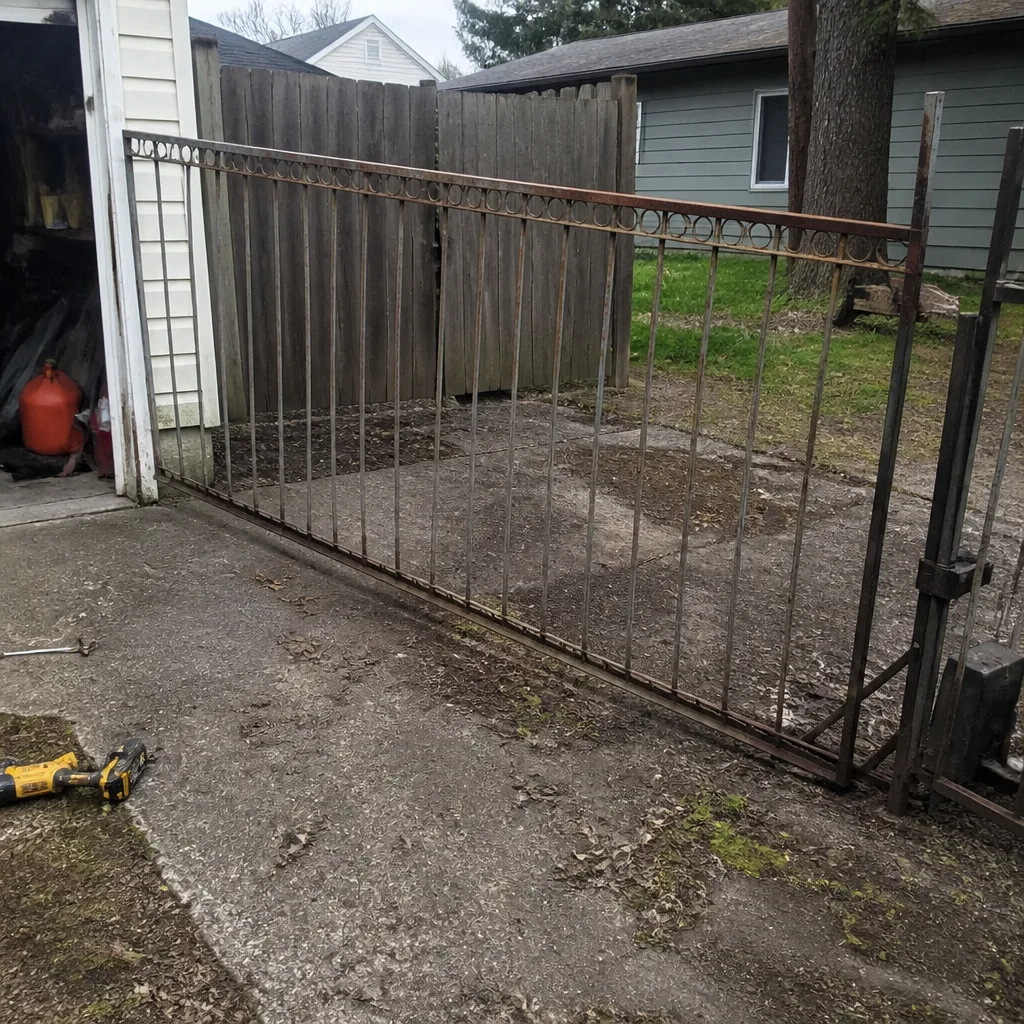
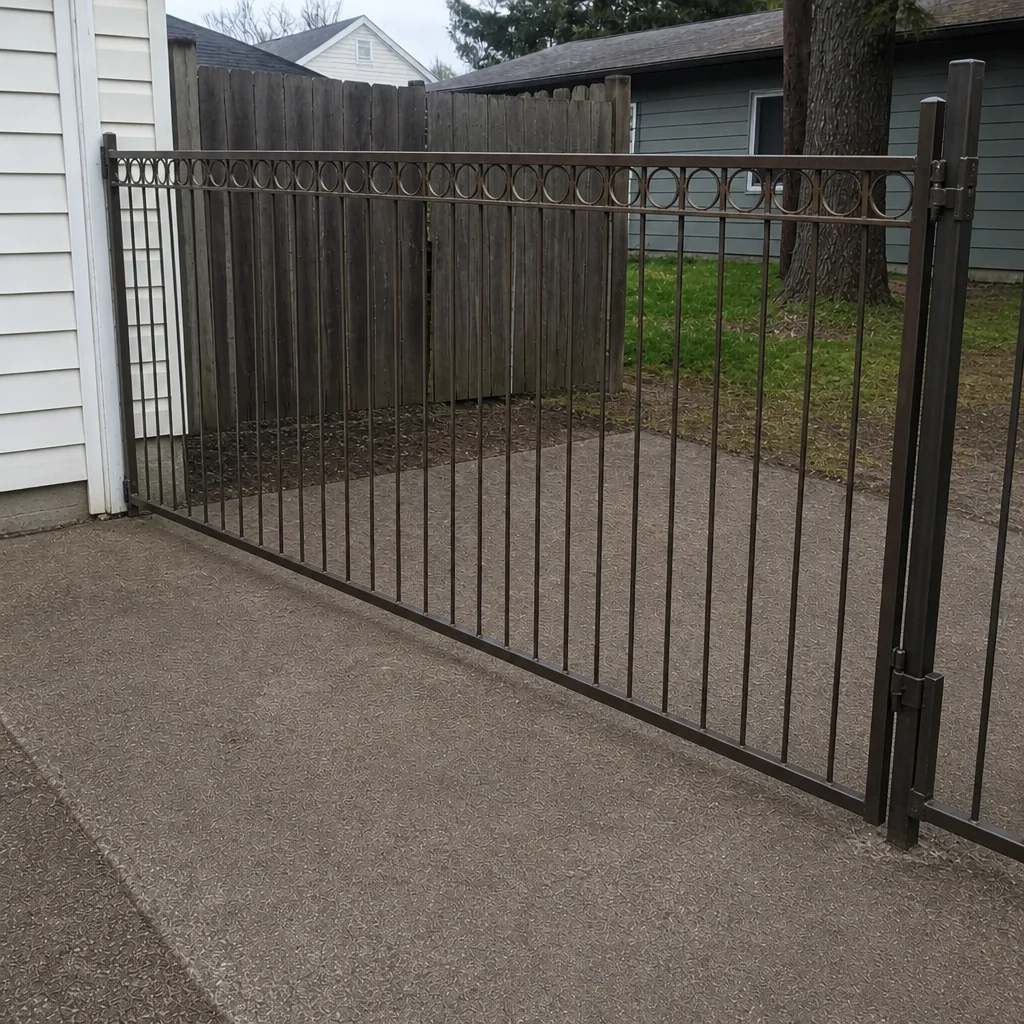
See the difference
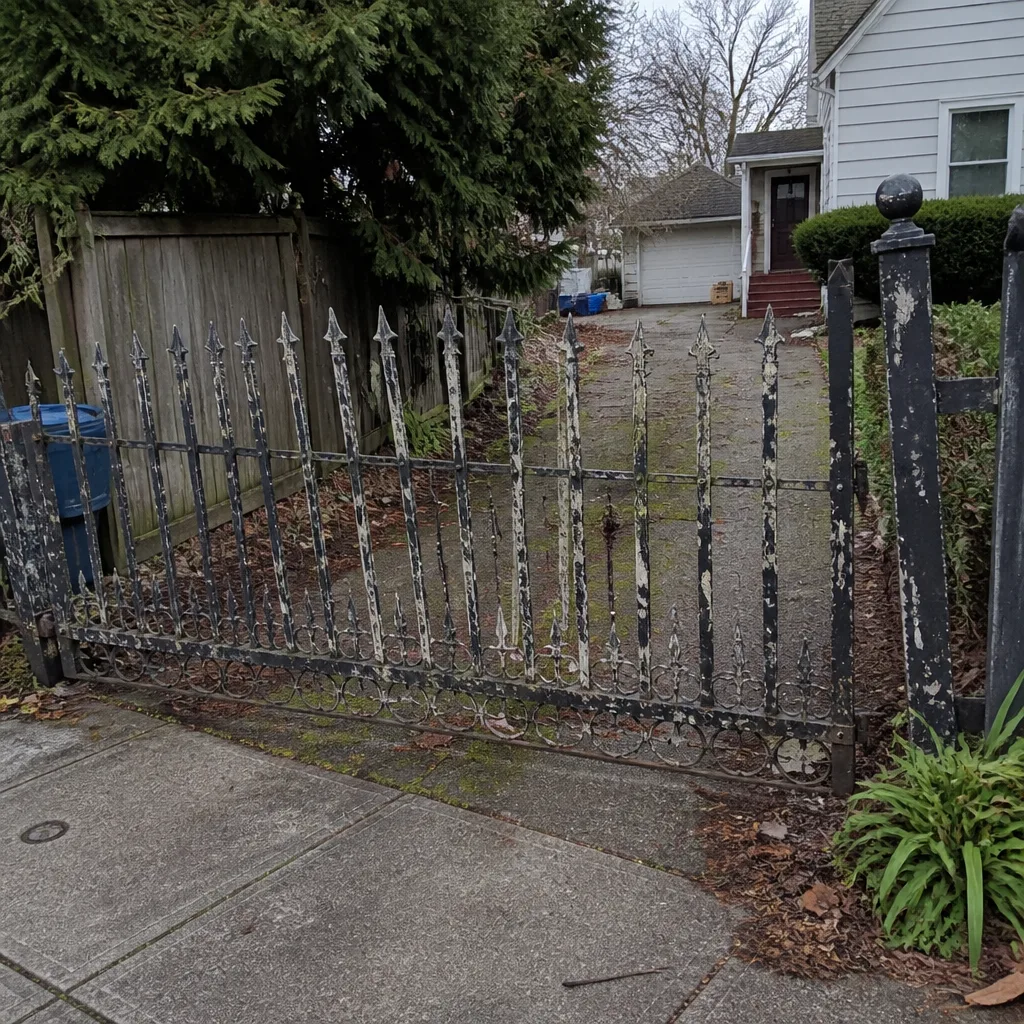 Before
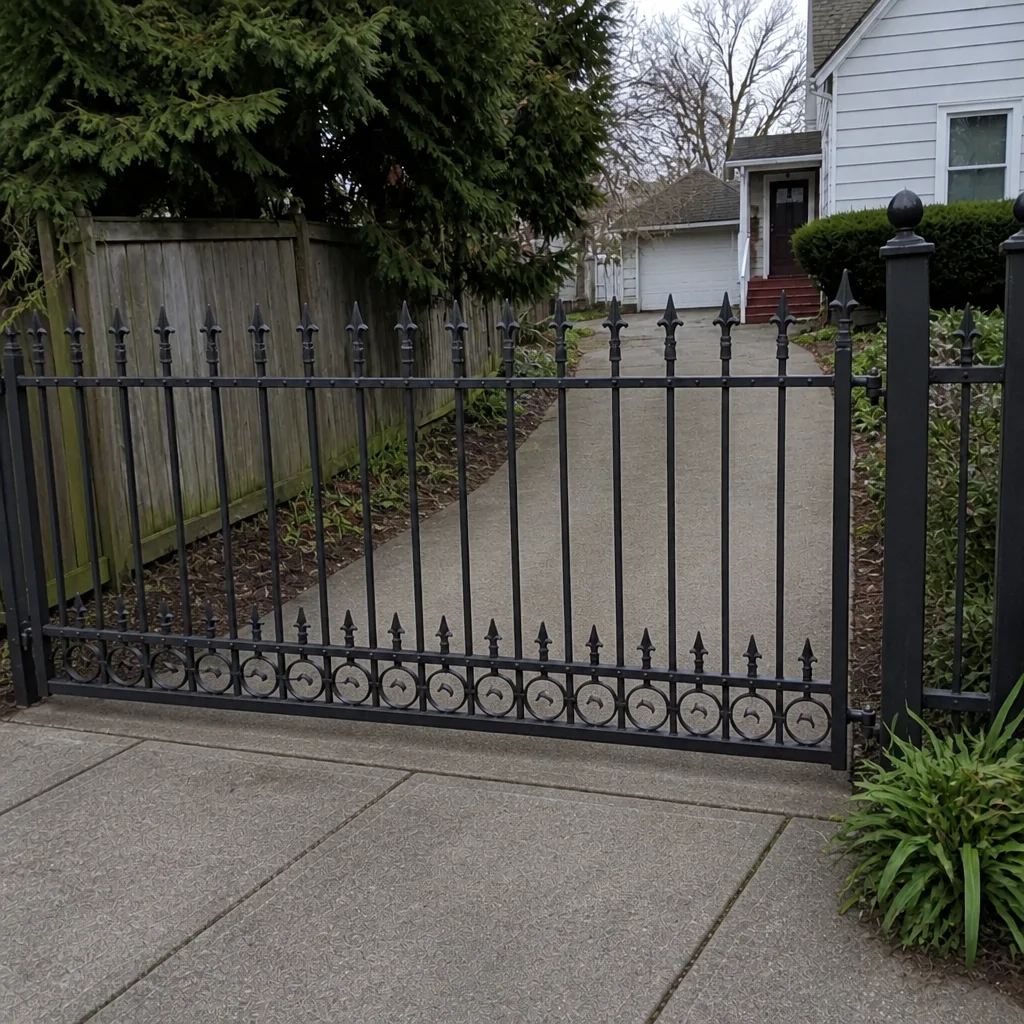 After
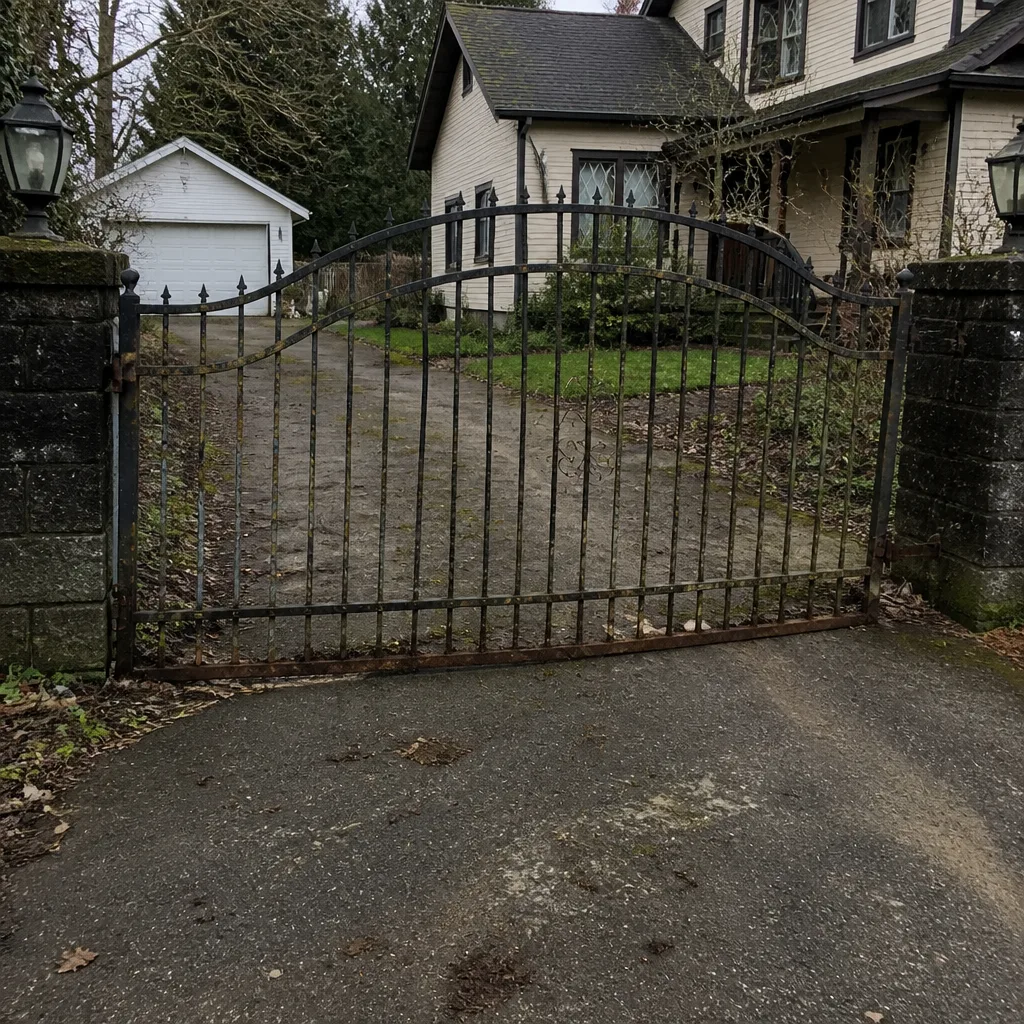 Before
 After
 Before
 After
Frequently Asked Questions
There’s no single best brand; the best choice for a Portland property is one with regional parts stock, wet-climate protection, a duty cycle matched to your use, and compatibility with your access-control hardware. Several popular national brands have limited local support, which matters more here than brand prestige. A gate specialist can look at the system you have and recommend what actually fits.
Some brands lack a regional distributor in the Pacific Northwest, so their parts must ship factory-direct with multi-week lead times. That’s the hidden cost of an online bargain: a dead operator that can’t be repaired quickly. Brands with regional warehouse stock get parts to a technician fast. Always ask where the parts come from before buying.
A residential-rated operator is built for a home driveway’s light use, not dozens of daily cycles. If your gate opens forty-plus times a day for a multifamily property or busy access point, you need a commercial-duty class. Count your real daily cycles, add seasonal peaks, and match the operator to that duty rating. Choosing the right duty class up front prevents premature failures.
Not always. Compatibility depends on whether the operator’s control board accepts the signal types your keypad, intercom, card reader, and loop detectors use, and whether it supports a matching safety-edge input. Some brands interface more cleanly than others. Checking compatibility before you buy saves you from re-engineering access hardware that was working fine. Call (855) 473-7281 for an exact quote – estimates are free.
Look for a high ingress rating on the control enclosure and a coated control board, since Portland’s rain and humidity age exposed electronics quickly. Corrosion-resistant hardware and a housing that sheds water also help. Brands with light enclosure seals and uncoated boards tend to show water intrusion within a few years here. A local technician can assess how well your current envelope is holding up.
Repair is often the right call if the operator is rated for the duty cycle, parts are locally available, and the failure is isolated. Replacement makes more sense when the operator is badly under-rated for its use, parts are hard to source, or repeated failures are adding up. A brand-agnostic technician can diagnose the actual system and tell you which path fits. Call (855) 473-7281. We answer 24/7, with fast dispatch from 7am to 7pm, Sunday through Friday.
The Bottom Line
The right gate operator brand for a Portland property isn’t the one with the biggest ad budget or the lowest sticker price. It’s the one with regional parts stock, wet-climate protection that survives our rain and humidity, a duty cycle matched to how often your gate actually runs, and compatibility with the access hardware you already own. Weigh five-year cost over purchase price, and check local service coverage before you commit. Gate Repair Portland works on the gate you have, whatever the brand, and we’re ready to help when you’re deciding. For help at your Portland property, call (855) 473-7281 for a free estimate.
Written by the team at Gate Repair Portland.