
Last updated November 15, 2026
 Wrought iron
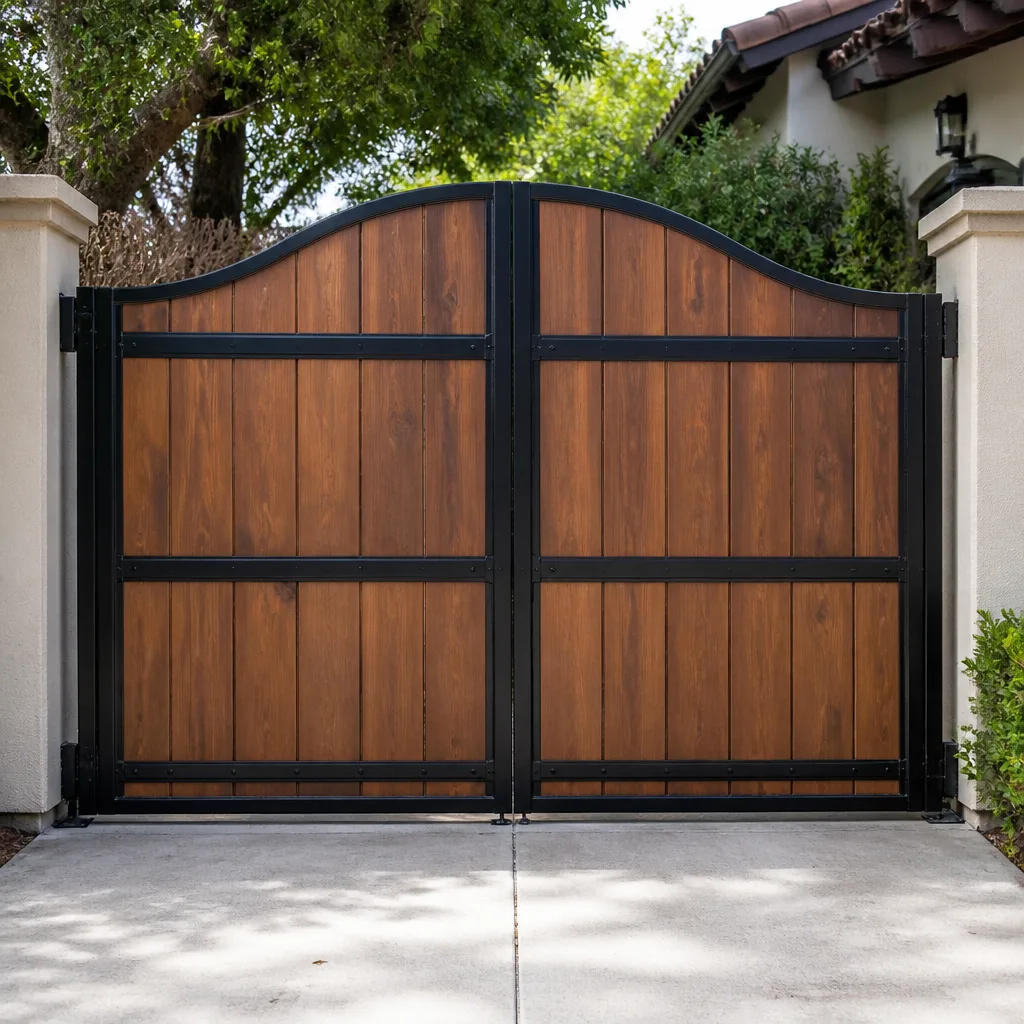 Wood & steel frame
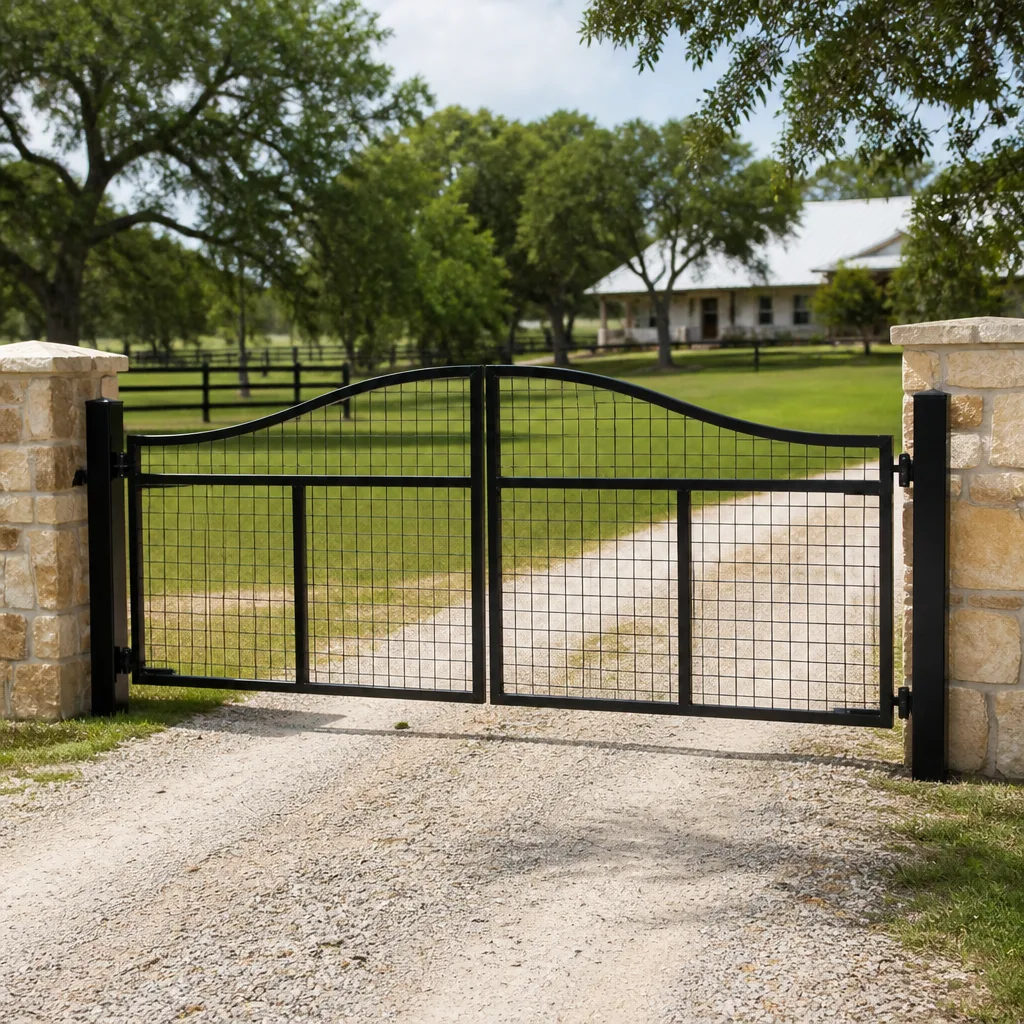 Farm & ranch
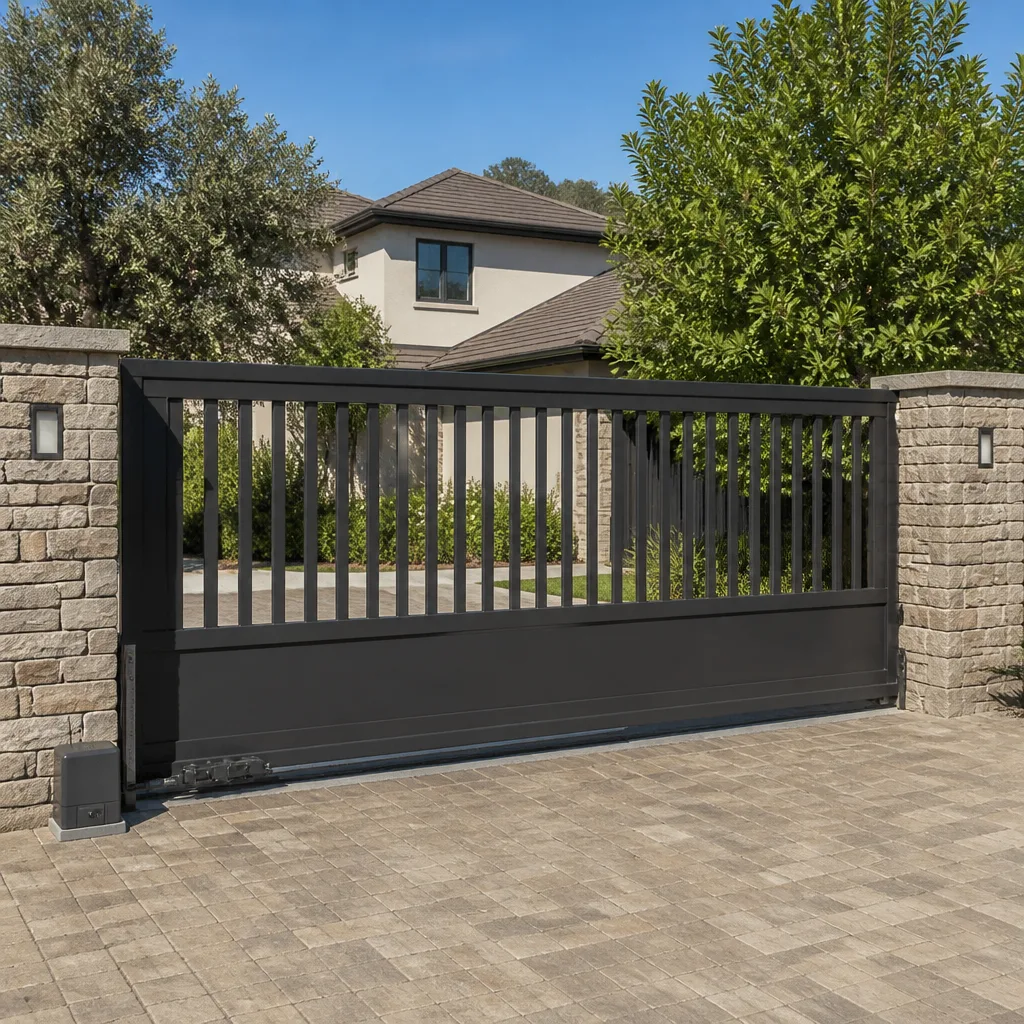 Sliding driveway gates
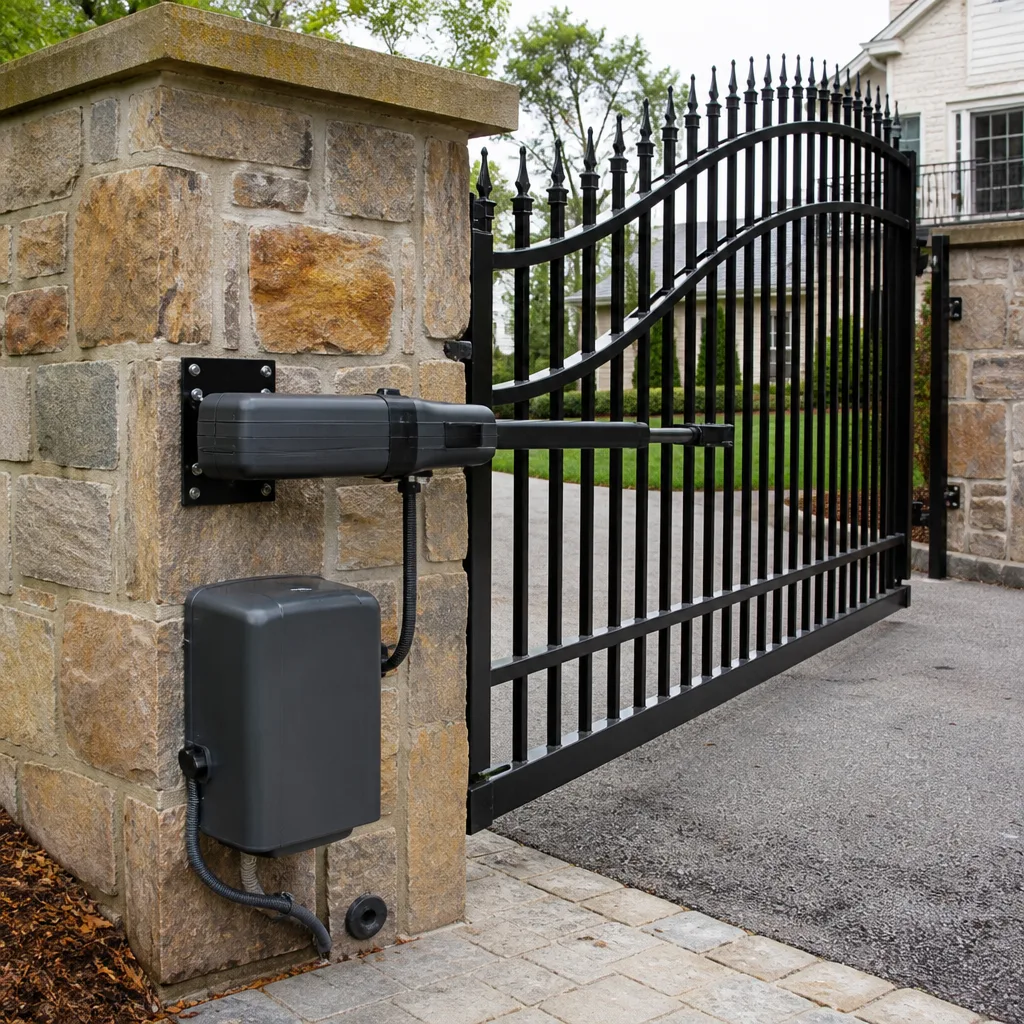 LiftMaster operators
Free on-site gate assessment - hinges, posts, and your LiftMaster or Nice gate operator checked before anything is quoted
The assessment is free and the quote is the invoice.
Get your free estimateGate Repair Troubleshooting in Portland: Common Problems and How to Fix Them
If your gate quit after a rainstorm, the motor is almost certainly not the problem. The limit switches are. That single mix-up sends more Portland homeowners toward a full operator replacement than any other misdiagnosis we see. Most gate failures trace back to three physical components – the hinges, the track, and the limit switches – not the control board or the motor. In this guide, we’ll show you how to read what your gate is actually telling you before anyone touches a control board. You’ll learn the visible signs that separate a mechanical problem from an electrical one, the one-minute manual release test that rules out most reported malfunctions, and when a fix at home is safe versus when it puts you and your warranty at risk.
Quick Answer
Most gate problems in Portland are mechanical, not electrical: corroded hinges, warped slide-gate tracks, and misaligned limit switches account for the majority of failures after a wet winter. Before assuming your operator has died, run the manual release test – if the gate moves freely by hand, the operator or its wiring is the culprit; if it binds or drags, the gate hardware is. A free estimate from a gate specialist will confirm which system you have and what it needs.
Styles & brands we work with
- Wrought iron
- Wood & steel frame
- Farm & ranch
- Sliding driveway gates
- LiftMaster operators
Table of Contents
- Mechanical vs. Electrical Failure: How to Tell the Difference
- Why Portland’s Wet Winters Wreck Gate Hardware
- The Manual Release Test: One Step That Rules Out Most Failures
- How to Read Operator Error Codes on Common Portland Brands
- Slide Gate Track Warping and Hinge Corrosion: The Usual Suspects
- When a DIY Fix Is Safe and When It Isn’t
- What Actually Happens on a Gate Repair Visit in Portland
Mechanical vs. Electrical Failure: How to Tell the Difference
The first question in any gate diagnosis is whether you’re dealing with a mechanism problem or an operator problem. Getting that wrong is expensive, because it points you toward replacing a control board when the real issue is a hinge that’s rusted solid. The good news is your gate shows its hand before anyone opens a panel. You just have to know what to look for.
Start with what you can see and hear. A gate with a mechanical fault usually complains in physical ways, while an electrical fault tends to be sudden and silent.
- Straining or slow movement: the gate starts, hesitates, then groans its way along the track. That’s friction – a hardware problem.
- Grinding or scraping: metal on metal at the hinges, rollers, or track. Again, mechanical.
- Drift: the gate stops short, overshoots, or reverses for no clear reason. Often a limit switch telling the operator the wrong position.
- Dead silence: you press the remote and nothing happens – no motor sound, no movement. That leans electrical: power, wiring, battery, or the control board.
- Clicking but no motion: you hear the operator engage but the gate doesn’t move. Could be a stripped gear, a binding mechanism, or a safety sensor holding the gate open.
A gate that has worked flawlessly and suddenly goes dead points to electricity. A gate that gets a little worse each week is almost always mechanical. Portland’s damp winters tend to produce the slow kind, which is why the wear shows up as a creeping problem rather than a single failure. If you can’t tell the difference from the outside, the manual release test settles it. For a full breakdown of the electrical side of diagnosis, see our guide to electric gate repair.
Why Portland’s Wet Winters Wreck Gate Hardware
Portland’s climate is kind to gardens and brutal on the moving parts of a gate. Months of rain, days of drying, then rain again produce constant wet-dry cycling on hinges, pivots, and slide tracks. That cycle is what drives corrosion and warping – not any single storm. Understanding the local pattern helps you predict where your gate is most likely to fail first.
The two failure modes that show up most in Portland gates share a common root:
- Hinge corrosion on swing gates. Water sits in the hinge barrels and pivot points. Rust builds, the hinge stiffens, and the operator starts fighting a mechanism that should swing free. Left alone, the operator works harder, heats up, and begins tripping or straining.
- Slide gate track warping. Slide gates run on a ground-level track or a cantilever system. In a wet Pacific Northwest season, soil shifts and track segments move slightly out of level. The gate then drags at one point along its run, which can mimic an electrical fault – the operator cuts out mid-travel or stops short, looking exactly like a control problem.
Both of these look electrical from the keypad. Both are mechanical. That’s the trap. When a slide gate stumbles at the same point every time, suspect the track or the rollers before the board. When a swing gate hesitates on its opening cycle after heavy rain, suspect the hinges before the motor. Porch-landing neighborhoods with a lot of mature trees and shade, like those around Sellwood and Mount Tabor, dry out even more slowly after a storm, which lengthens each wet phase.
The remedy is unglamorous: inspect and lubricate hinges seasonally, check track alignment and footing depth for slide gates, and look at the rollers. Track and footing checks are worth a quick look now, before a gate failure becomes a security problem on your property.
The Manual Release Test: One Step That Rules Out Most Failures
Before you spend a call on a repair, run the manual release test. It takes about ten minutes and separates “the gate mechanism is binding” from “the operator or its wiring has failed” faster than any meter. First, always check your operator’s manual for the correct release procedure on your specific model – the method varies between brands. Then follow this sequence:
- Disconnect power to the operator. Flip the breaker or unplug the unit so it can’t move while your hands are involved.
- Release the operator according to the manual. This usually means pulling a manual release lever, moving a release key, or turning a hand-crank release depending on the brand.
- Move the gate by hand through its full travel. Walk it open, then closed, slowly and evenly.
Now read the result:
- Moves freely the whole way: the gate hardware is healthy. Your problem is electrical or the operator itself.
- Binds, scrapes, or demands effort at one spot: you have a mechanical fault. It could be a hinge, a roller, a track out of alignment, or a sagging post. Fix the mechanism before you touch the operator.
- Won’t move at all, even by hand: something is locked, crushed, or off its track. Stop and call a specialist – forcing it risks injury from a heavy panel.
In our experience, the manual release test reframes most “the motor is dead” calls as hinge and track problems. It also tells you when to stop. Releasing and reengaging the operator is safe if you follow the manual. Forcing a jammed gate, or reaching into an operator’s mechanism to “help” it, is not. Heavy gate panels and the moving operator assembly can crush fingers and worse. If the release doesn’t work cleanly, close everything up and call a professional.
How to Read Operator Error Codes on Common Portland Brands
Modern operators are chatty. They blink and beep in patterns, and those patterns are how a trained technician narrows down a fault in minutes. Reading them yourself saves time on the phone, even if you don’t fix anything. What you want isn’t the exact code meaning on every model – those vary by manual – but the pattern that tells you the fault category. Here’s how to read them on the brands Portlanders most often have installed.
- Count the blinks. Many operators blink a numbered sequence on an LED, then pause and repeat. Write down the count before you call anyone. That count corresponds to a fault in the manual.
- Check which indicator is blinking. LiftMaster and Viking units often have a distinct light for safety-sensor faults versus operator faults. The position of the light matters as much as the count.
- Note what happened right before the code. A code that follows a power surge, a storm, or a manual-release reengagement tells a different story than a code that appears with no trigger.
- Grab the manual. If you have the owner’s manual, the blink table in the back will name the fault directly. Keep a photo of the table in your phone.
If you don’t have the manual, most manufacturers publish their blink codes online by model. The names matter here. If your system is a LiftMaster, a Viking, or a Ghost Controls unit, the code language is specific to that brand, and a generalist who only knows one manufacturer may misread it or push a replacement instead of a fix. Reading the code yourself tells you what category of fault you have – sensor, limit, power, or operator – even if you stop short of the repair. It’s the difference between walking into a service call informed and walking in blind. And if a technician tells you the code “means you need a whole new operator,” a second look is fair to ask for.
Slide Gate Track Warping and Hinge Corrosion: The Usual Suspects
If you run through that suspicion and it points to the mechanism, here’s what to inspect. These are the two failures we deal with most often on Portland gates.
Slide gate tracks. A slide gate glides along a track or a cantilever system. Over a wet season, the ground under the track can settle or shift, leaving the track slightly out of level. The gate then drags at one section, and the operator cuts out or strains there. To check a track:
- Look for gaps, lifts, or debris between the track and the gate’s rollers.
- Move the released gate by hand and note exactly where it catches. That spot is your problem.
- Check the rollers for flat spots or worn bearings.
- Sweep the track clear of grit and leaves after windy or stormy stretches.
Hinges on swing gates. Water enters the hinge barrels and stays there. The hinge stiffens, the gate grows hard to push, and the operator works harder than it should. Check for rust trails, stiffness when you move the gate by hand, and a gate that sags near the latch. If a hinge has rusted solid, a stiff operator on a stuck hinge accelerates wear on gears and mounts – fix the hinge first. Track and footing issues and hinge wear are the top mechanical suspects on a Portland gate after a wet stretch. Both are visible to you with a flashlight and ten minutes. For more on what separates these problems from operator faults, see gate repair.
When a DIY Fix Is Safe and When It Isn’t
Some gate problems are yours to fix. Others aren’t, and knowing the line protects your wallet and your safety. The line is fairly clear once you understand where the danger sits on an electric gate: the operator’s wiring and power, the heavy gate panel itself, and a slide gate that jumps its track.
Safe for a homeowner:
- Sweeping debris and grit off a track, then testing movement.
- Cleaning and lubricating hinges and pivots with the operator powered off.
- Resetting a circuit breaker or replacing a remote battery, if the manual says so.
- Running the manual release test to gather information.
Leave it to a professional:
- Anything inside the operator’s housing or the control panel. Low-voltage control can mislead; line voltage can injure. If a wiring fault is suspected, stop.
- A gate panel that has come off its track or is sagging. A heavy panel can fall or swing uncontrolled.
- Anything that requires cutting, welding, or moving a gate post. A post failure is a structural job, not a lube job.
- Repairs on a gate still under a manufacturer’s warranty. Self-repair can void coverage. Have a professional document what’s happening first.
Two things are non-negotiable: the operator’s power supply is not a DIY area, and a heavy gate panel is a crush hazard. If your inspection doesn’t point clearly to a safe fix, the smart move is a professional look, not a guess. Brands differ enough that a generalist may also misdiagnose. A safety edge or loop detector misreading isn’t something to test by hand.
What Actually Happens on a Gate Repair Visit in Portland
A good gate repair visit begins with diagnosis, not a parts list. Here’s how a visit goes when the problem is a malfunction rather than a full replacement:
- Identify the system. We check the operator’s brand and model – LiftMaster, BFT, Linear, Ghost Controls, and others – and note the gate type: swing or slide. That tells us the failure patterns to look for.
- Isolate mechanical from electrical. The manual release test and a visual inspection separate a hardware problem from an operator or wiring fault.
- Read the codes and test the circuit. If it’s electrical, we check the blink codes, the safety sensors, the limit switches, the loops, and the wiring run.
- Diagnose the actual fault. We work on the gate you have, not the easiest one to sell you.
- Give you a written estimate before work starts. You know the price before anyone turns a screwdriver.
Because we’re gate specialists, the diagnosis isn’t shared across a fencing schedule or split between other trades. The tools and parts we use are gate-specific. If it’s an electrical fault we can get you moving again, and for a hardware issue we can usually get it back online. For a full replacement that’s not a repair decision; the visit is a free measure and a written price, scheduled rather than dashed out. When you need a specialist for a job this specific, start with Portland customers we serve. Call (855) 473-7281 to book a look. We answer 24/7. Fast dispatch from 7am to 7pm, Sunday through Friday – closed Saturday.
Common Mistakes to Avoid
- Assuming the operator is dead because nothing happens. A dead-silent gate leans electrical, but a gate that struggles leans mechanical. Test before you replace. The manual release test tells you which fault you have.
- Replacing the control board before checking the hinges. Rusted hinges and a binding track can mimic an electrical fault, and a new board doesn’t fix friction. Fix the mechanism first.
- Ignoring the track after a wet season. A slide gate track that’s shifted a few degrees is easy to miss. Check it after the rainy stretch, not only when the gate breaks.
- Forcing a jammed gate by hand. A heavy gate panel can crush fingers or worse. If it won’t move on the manual release, stop and call a professional.
- Swapping to a new operator “because it’s easier.” A brand-agnostic specialist would rather diagnose and repair what you have. A replacement isn’t always the answer.
- Letting a single-brand installer decide your repair. Their experience may stop at one brand. Use a technician familiar with the system actually installed on your gate.
- Testing safety edges or loops by hand. These are safety components. The wrong test can trigger the gate or hide a fault. Leave that to a trained technician.
See the difference
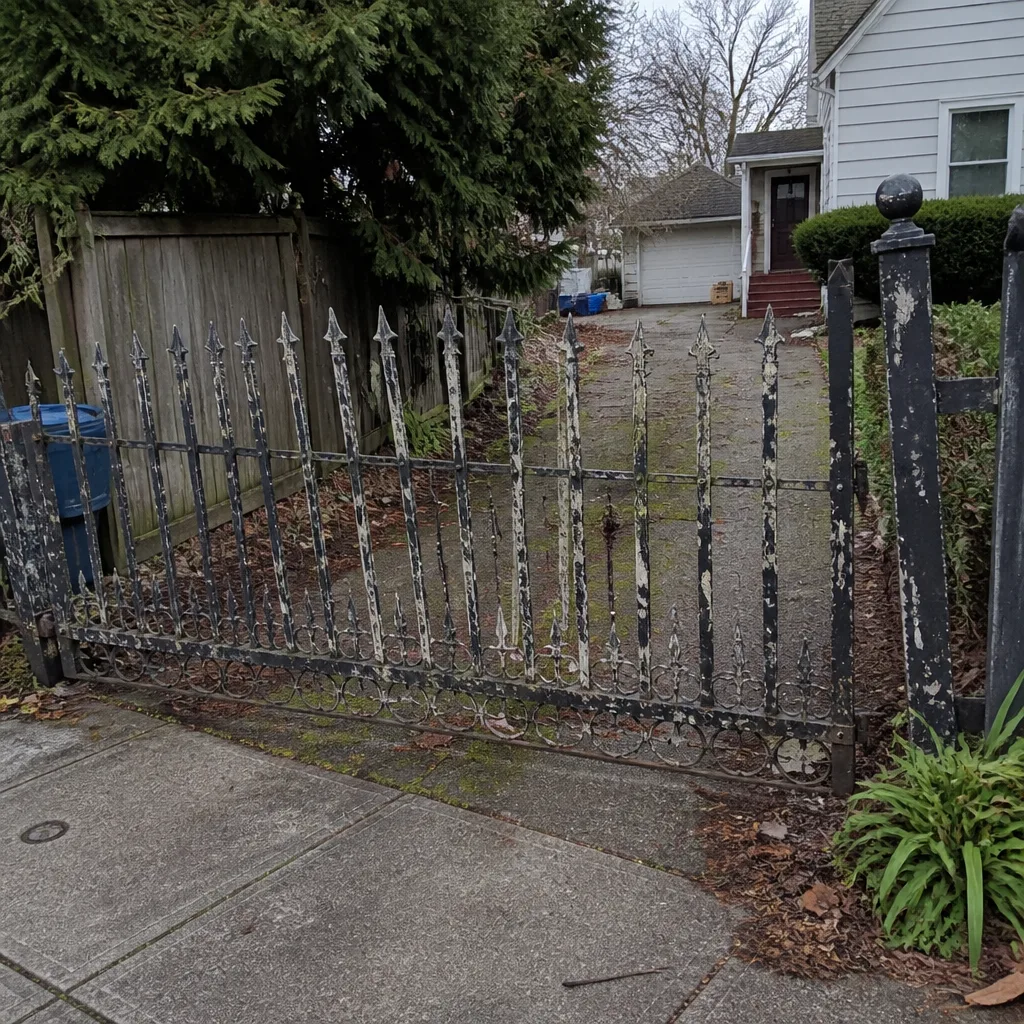 Before
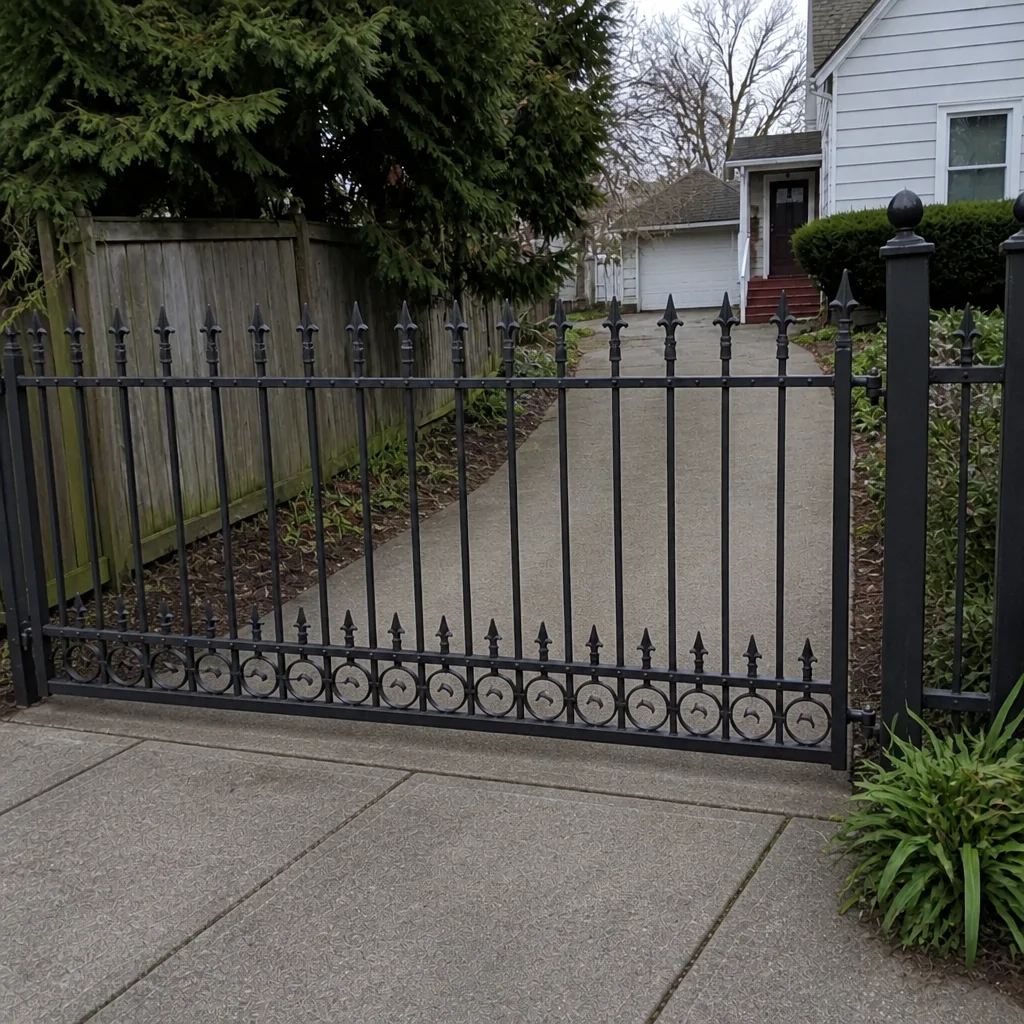 After
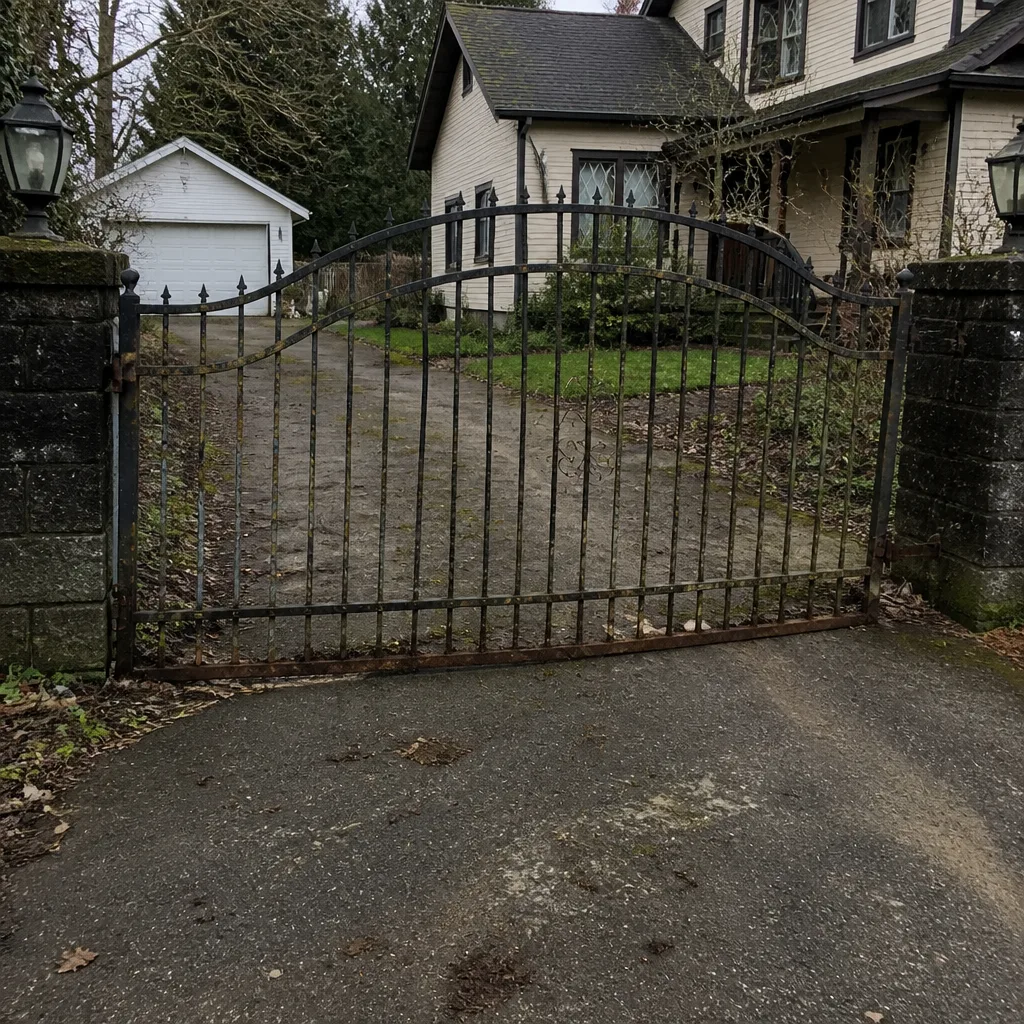 Before
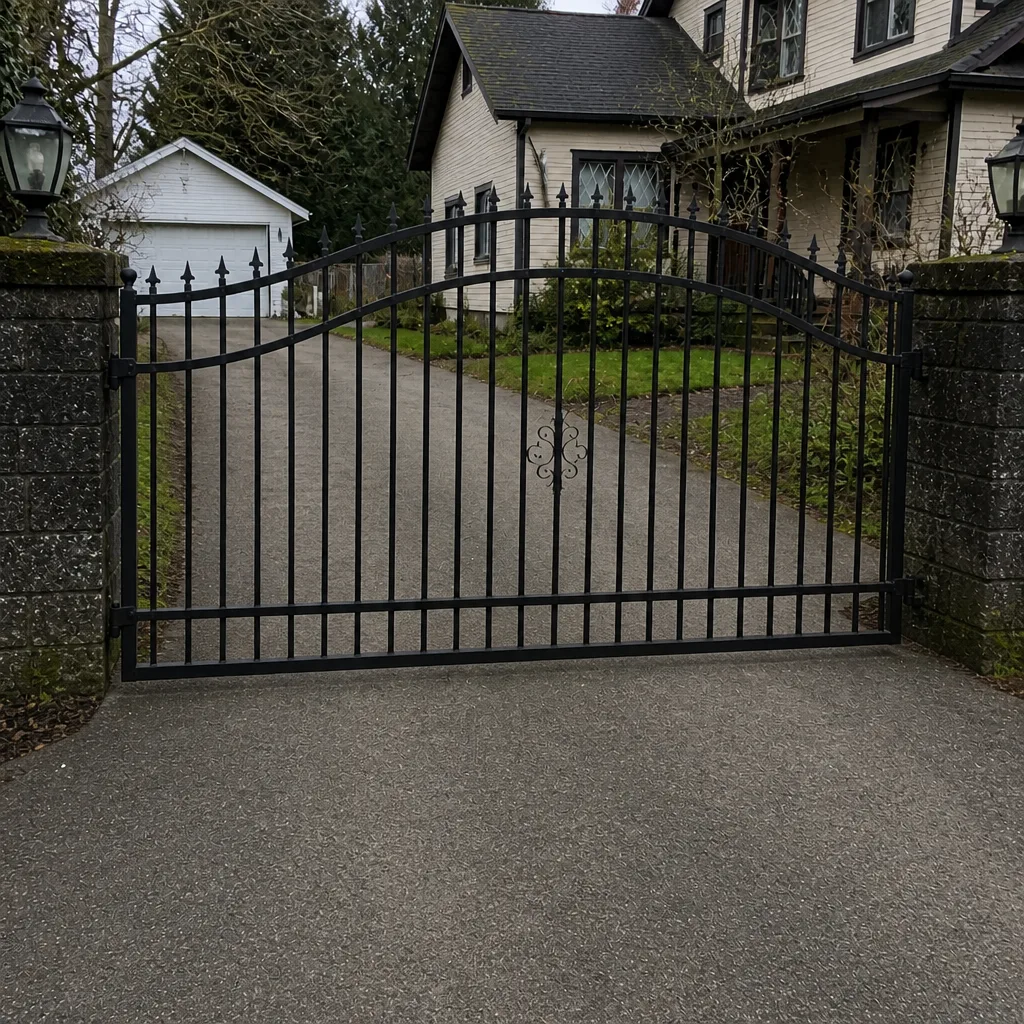 After
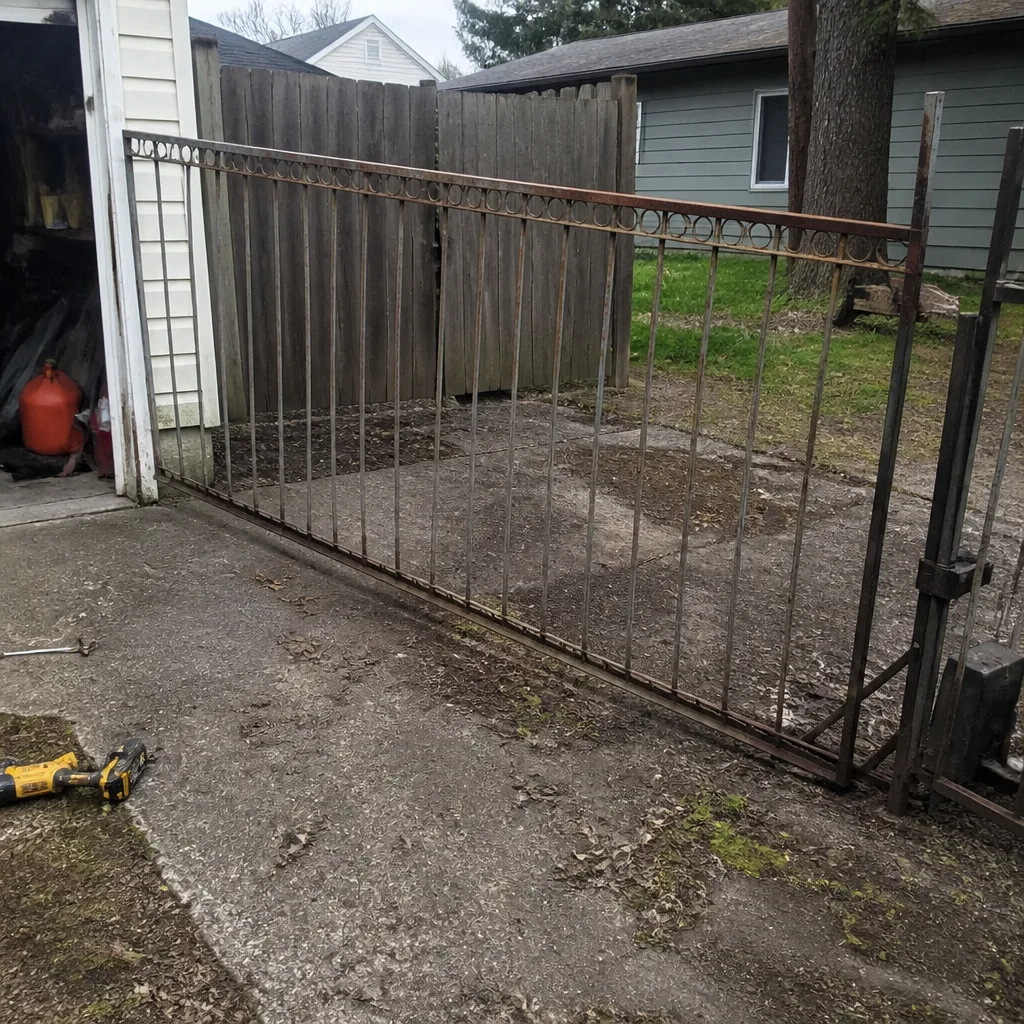 Before
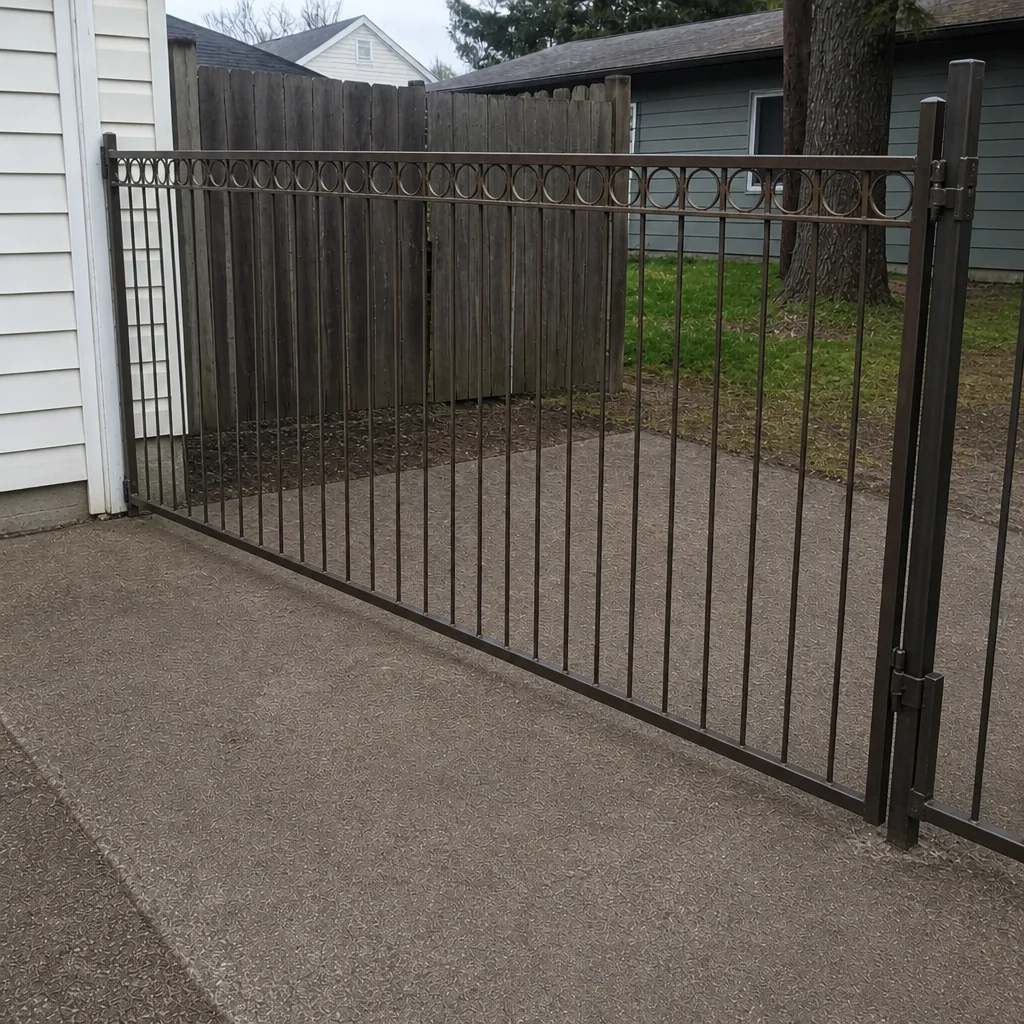 After
When to Call a Professional
Some gate problems call for a professional, and pushing a repair yourself can cost more than the call. Book a service if your gate won’t move even after the manual release; if you suspect a wiring or power fault at the operator; if the gate panel has come off its track, sagging, or hanging on a post; or if the diagnosis points inside the control box or a safety component. Also call when your gate is under warranty and you don’t want to risk voiding it. Our technicians have up to 13 years of experience, and we work on the gate you have across brands like BFT, Linear, Viking, and Ghost Controls. Gate Repair Portland offers free estimates in Portland. Call (855) 473-7281 to get a technician dispatched. We answer 24/7. Fast dispatch from 7am to 7pm, Sunday through Friday.
Frequently Asked Questions
Run the manual release test: disconnect power, release the operator per its manual, and push the gate by hand. If it moves freely, the mechanism is fine and the fault is electrical or in the operator. If it binds or drags, the gate hardware is the problem. This one step clears up most “dead motor” calls before a technician arrives.
A wet spell commonly triggers rusted hinges, a stiffening pivot, or a shift in slide-track alignment, not a failed motor. The damp-dry cycle of a Portland winter stiffens the moving parts so the operator has to work harder. Inspect the hinges and track first. If those pass, suspect the limit switches. Call (855) 473-7281 for an exact quote. Estimates are free.
Safe fixes are clearing debris, lubricating hinges with the power off, and replacing a remote battery. Stop and call a professional for anything inside the operator housing, a panel off its track, a structural post issue, or a repair that could void your warranty. The operator’s wiring and a heavy gate panel are genuine hazards.
The blink pattern is the operator’s error code, and a numbered sequence usually maps to a fault in the manual. Count the blinks, note which indicator light is active, and check your manual’s blink table. The code tells you whether the fault is a sensor, limit switch, power, or operator issue. If you don’t have the manual, call us and we’ll walk through the brand and model.
No – estimates are free, and the price is set per job by a written estimate before any work starts. You’ll know the cost up front rather than after the repair. For a new system, we schedule a free measure and give you a written price. Call (855) 473-7281 to book.
Yes. We diagnose across a wide range of gate operators, including LiftMaster, FAAC, Linear, Viking, Ghost Controls, and others, rather than pushing a swap to the one brand we stock. We start with what’s actually installed. A specialist who diagnoses on the gate you have is usually the safer first call.
The Bottom Line
Most gate failures in Portland come down to three physical components – hinges, track, and limit switches – not the operator. The manual release test takes ten minutes and tells you which of the two you’re dealing with before anyone touches a control board. Next time, start there. Read the drift, the grind, the occasional stumble at the same spot on the track. Then decide: clear the debris and lubricate the hinges, or call a gate specialist. Our technicians have up to 13 years of experience, and we work on the gate you have across LiftMaster, BFT, Linear, Viking, Ghost Controls, and others. For a free estimate, call us at (855) 473-7281. We answer 24/7. Fast dispatch from 7am to 7pm, Sunday through Friday. You can also visit Gate Repair Portland to start a repair, and we’ll diagnose it before we quote it.
Written by the team at Gate Repair Portland.